



Expect the Unexpected
Preparing Our Small Livestock for an Unpredictable Winter

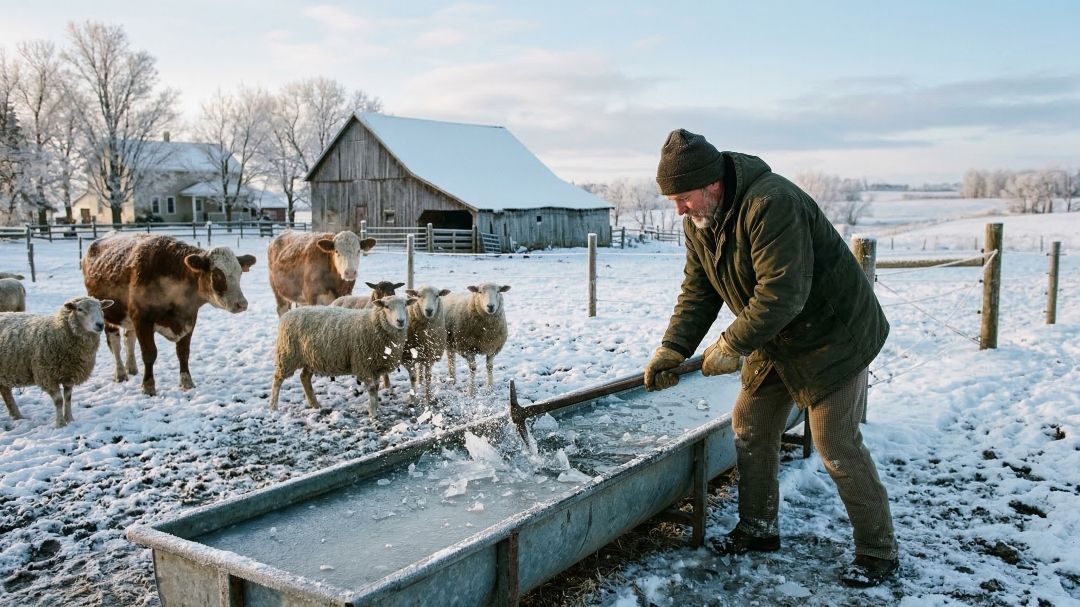
The winter of 2025 to 26 was a study in contrasts, weatherwise. Here in Eastern Oregon/Western Idaho, along with the rest of the Pacific Northwest, it was warm and dry. Influenced by a slow-developing La Niña, the western half of the North American continent experienced record-breaking warmth and a sluggish start to its mountain snowpack.
In stark contrast, the eastern seaboard and adjacent states were slammed with severe, frigid weather. The National Weather Service reports that they endured 21 significant weather events and multiple major storms that blanketed the region with heavy snow and bitter, persistent cold.
Of course, our livestock know nothing about weather events, global warming, or La Niña. They simply trust us to take care of them and keep them warm and well-fed. And so they should.
Therefore, it is incumbent on us as their caretakers to get the barnyard and our animals’ personal space fully prepared for whatever winter we may experience this year. That includes the structures where they will reside, their dietary needs, and their biological care. Let’s look at some recommendations and thoughts by experts in the field.
Universal Guidelines for Winter Care
While different species have unique physical traits and specialized needs, there are some fundamental guidelines that apply to all small livestock. According to the North Carolina Cooperative Extension, the three core pillars of winter management across all species are shelter, feed, and water.
So, to prepare the property, farmers must inspect all barn and coop structures before the first freeze and make whatever repairs are necessary. This includes sealing structural cracks with caulk or expandable foam to block chilling drafts at ground level, clearing debris from gutters to prevent ice dams, and checking roofs for potential leaks.
Animals require extra calories to maintain their internal body temperatures when fighting off ambient cold, meaning owners must adjust nutritional rations before severe weather hits to prepare them for the potential weather to come. Additionally, water resources must be protected from freezing. Without a constant supply of water in winter, rapid dehydration and fatal digestive blockages can result.
Preparing your utilities by wrapping outdoor pipes with heat tape and installing automated de-icers or heated buckets will ensure they get the life-sustaining liquid throughout the frigid months. Finally, every housing area requires clean, dry bedding such as straw or wood shavings to insulate the animals from the frozen ground and help trap their body heat.
Now, let’s look at some species-specific recommendations to consider.
Sheep & Goats
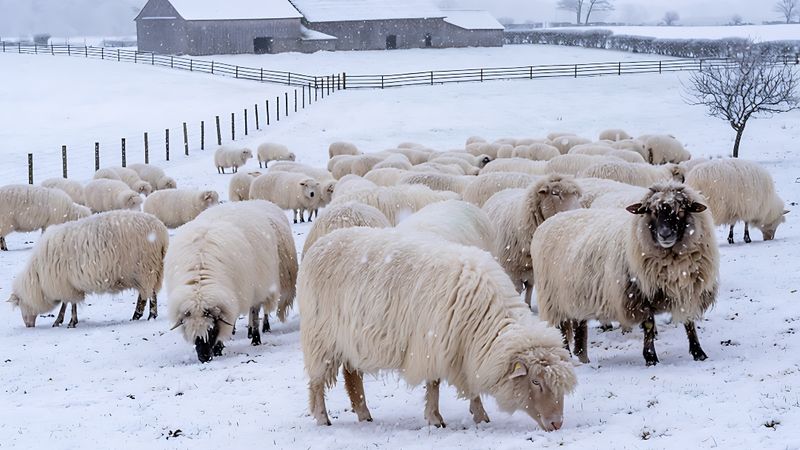
Sheep and goats are often grouped as small ruminants, but they have drastically different tolerances for winter weather.
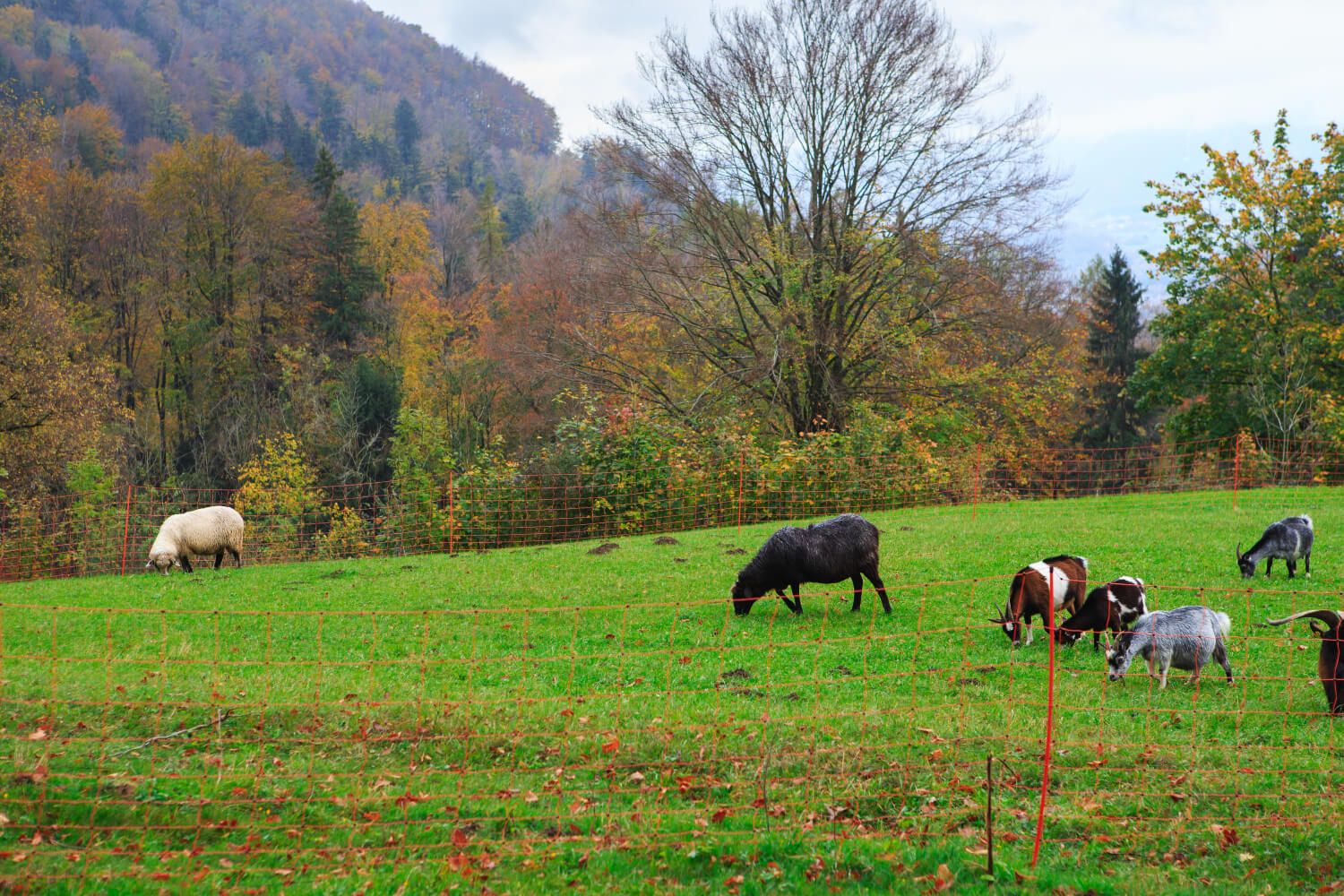
Sheep possess dense, oily wool coats that naturally repel moisture and trap body heat, allowing them to happily graze outside even in minor storms. However, they still require proactive winter property preparation.
Landowners should inspect all winter pastures before the first freeze, clearing out toxic weeds and repairing low fence lines that could easily become buried by drifting snow. Make sure that they have access to clean, dry shelter because a completely waterlogged fleece can eventually chill a sheep to its skin.
Conversely, goats have thinner hair coats, less body fat, and a deep aversion to getting wet. As the Oregon State University Small Farms Program puts it, "most goats [would] prefer to stay dry than [to] eat."
Consequently, a three-sided run-in shelter that blocks prevailing winds and driving rain is absolutely mandatory for goats. Bedding inside these structures must be checked and replaced frequently.
When small ruminants rest on wet, manure-soaked straw, toxic ammonia gases accumulate quickly. The Oregon State University Extension warns that "ammonia fumes can build up quickly in the lower 18 inches where recumbent animals breathe. Irritated respiratory lining is then very susceptible to pneumonia-causing bacteria and viruses."
Keep the air fresh by providing overhead ridge vents that exhaust moisture without generating drafty winds at ground level. Regarding dietary needs, increase their intake of high-quality roughage such as alfalfa or grass hay; the microbial fermentation process inside their rumens acts as a kind of internal space heater.
Pigs
Pigs face a unique biological hurdle during winter because they lack a dense coat of fur or wool to insulate their skin. Young piglets are especially vulnerable to hypothermia.
Experts at Penn State Extension tell us that young growing pigs "lack significant adipose (fat) stores at birth and do not develop these stores until maturity. This lack of fat prevents them from having any energy reserves to maintain body heat."
To protect swine, you must seal up all structural cracks and keep ambient barn temperatures within their specific thermoneutral comfort zone. If you are managing outdoor heritage breeds, provide them with massive mounds of clean, dry straw so they can burrow and construct deep nests to trap collective body heat.
Because water conducts heat away from the body far faster than air, Penn State Extension says that "humidity in the air will be drawn to your pigs, pulling heat from them." So, you must keep the barn completely dry, repair leaky nipple waterers immediately, and clean up wet spots daily to ensure that your pigs do not get chilled by damp floors.
Chickens
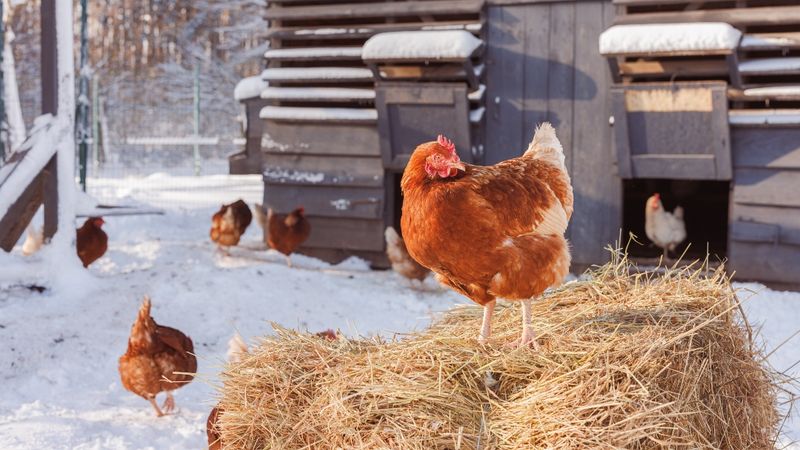
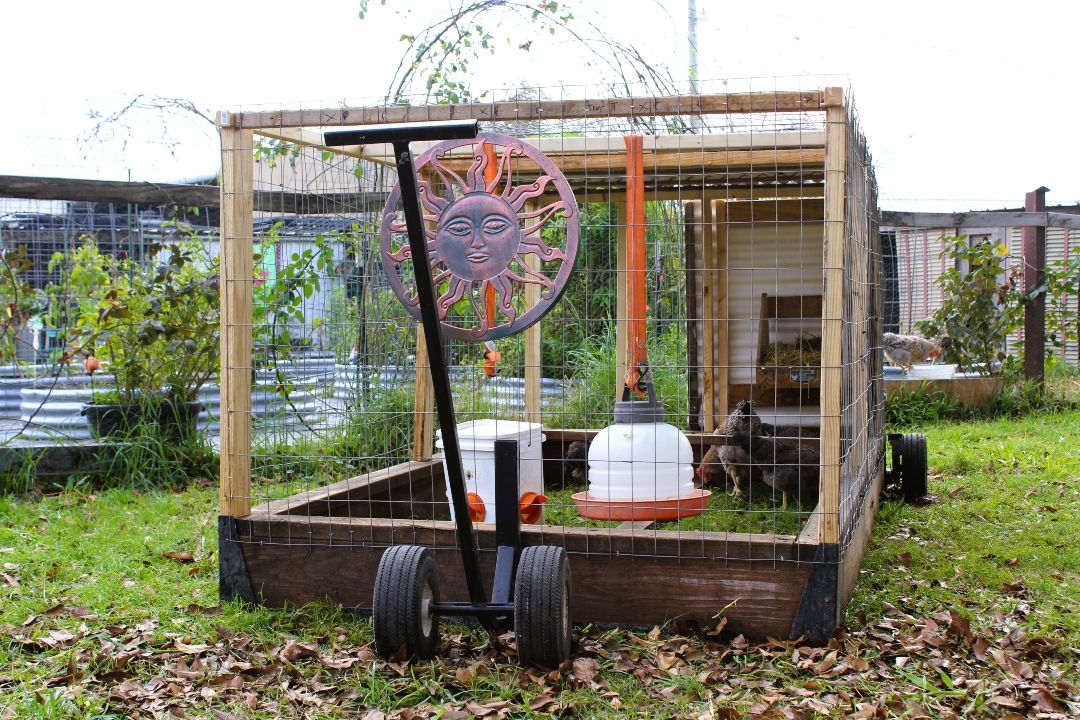
Even though these ubiquitous barnyard residents are naturally cold-hardy, their combs, wattles, and feet are very delicate and highly susceptible to frostbite. Many backyard farmers mistakenly seal their chicken coops completely airtight with the idea of holding the heat in. However, a closed coop quickly accumulates moisture from the birds' breath and their nitrogen-rich droppings. This trapped humidity can settle on their exposed skin and freeze. Although a well-insulated coop is important, a venting system to expel moisture is also necessary.
The University of Minnesota Extension highlights that water availability dictates a bird's overall health, stating, "Water is a key part of your flock's diet and is necessary for digestion. Without water, chickens will stop eating."
To keep water dishes from freezing, you can use commercial heated bases or heavy rubber bowls that can be easily cleared of ice chunks. Here on our patch, we use a permanently installed 12-gallon water dispenser with drinking nipples year-round. In the winter, we put a commercial water-heating electrode in the tub that prevents the water from freezing but does not warm it.
You can also boost your flock's internal metabolism by tossing a handful of high-carbohydrate scratch grains or cracked corn into their coop run right before they go up to roost for the evening. Digesting those complex grains throughout the night generates vital core body heat, keeping them cozy on the roost until morning.
Preparation is Key
With the unpredictable weather of recent years, the old chestnut advising us to “hope for the best but prepare for the worst” has never been so timely.
Even farmers and acreage owners in areas where the “worst” has historically been “not that bad” are recalibrating expectations this year so as not to be taken by surprise should some unplanned weather event overtake them. Hopefully, our barnyard charges will be able to overwinter blissfully ignorant of anything other than that they are being kept safe, warm, and well-fed.
Tags:Farm & Flock









Acreage Life is part of the Catalyst Communications Network publication family.