


Freeze Warning for Your Flock
Simple Steps to Stop Frostbite Damage

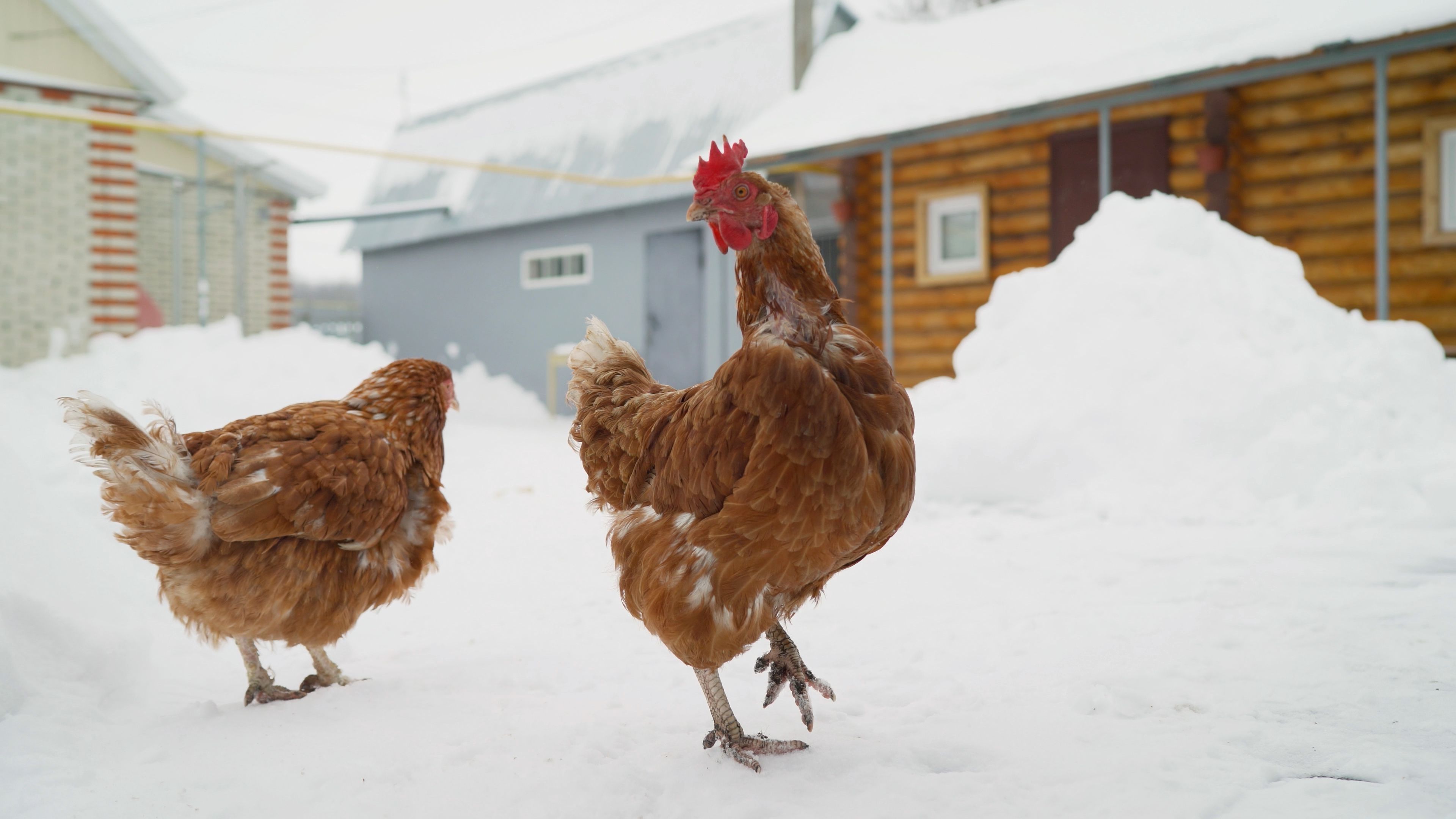
Cold weather brings unique challenges for poultry keepers, particularly when temperatures dip below freezing. While many breeds of chickens, ducks and turkeys are surprisingly hardy, they remain vulnerable to one of winter’s most common — and painful — conditions: frostbite.
Understanding the biological mechanisms behind frostbite, how to prevent it and how to treat it effectively can make the difference between a healthy winter flock and permanent injury or production loss.
Understanding Frostbite in Poultry
Frostbite occurs when skin and underlying tissues freeze due to prolonged exposure to subfreezing temperatures. In chickens, ducks and other domestic birds, combs, wattles and toes are the most commonly affected areas because they lack heavy feather coverage and have higher blood flow for thermoregulation.
When exposed to extreme cold or wind chill, blood vessels constrict in these areas in an attempt to preserve core body heat. This vasoconstriction reduces oxygen and nutrient flow, allowing ice crystals to form within cells. The damage occurs at both the cellular and vascular level, leading to inflammation, tissue death and in severe cases, necrosis.
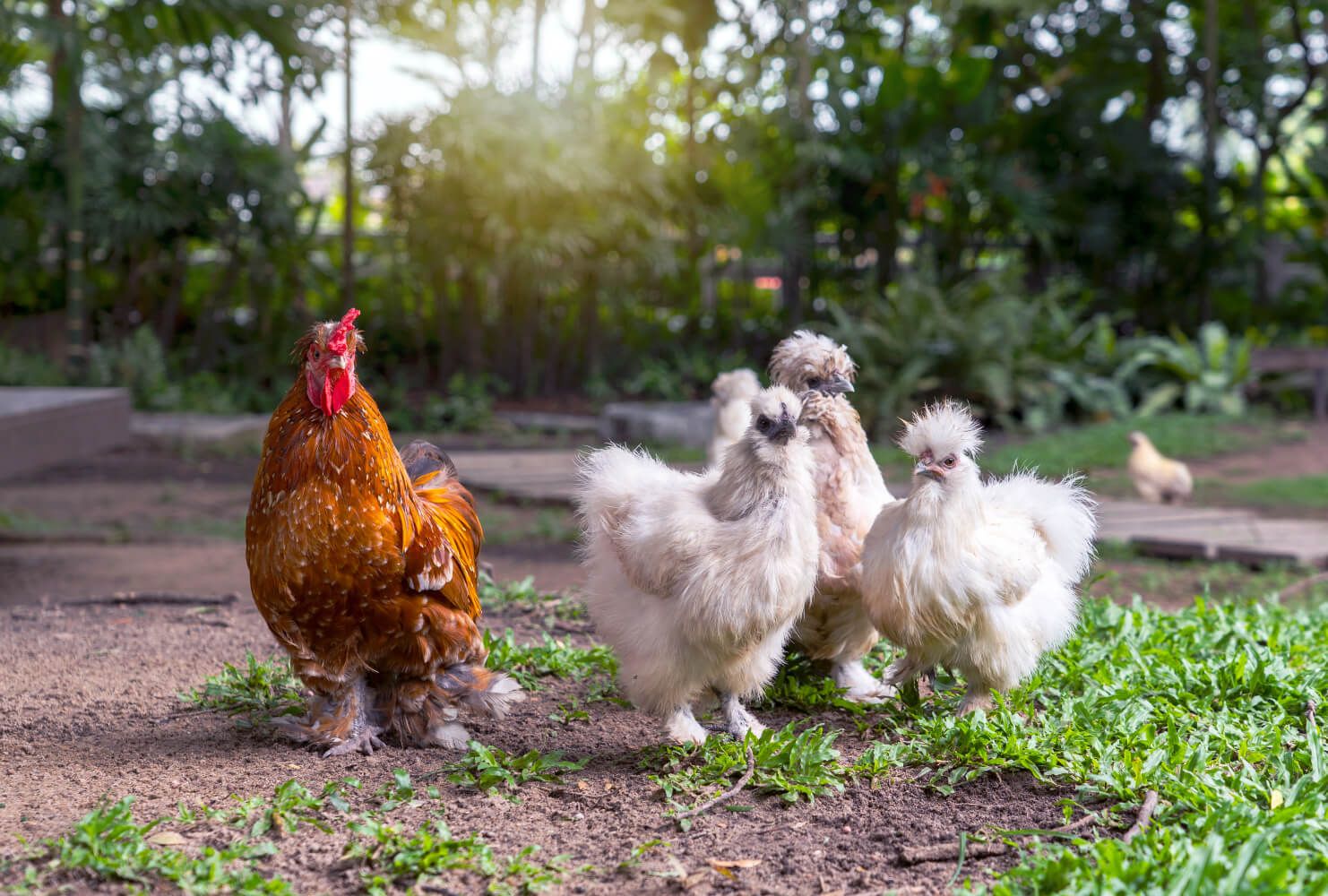
Birds with large combs — such as Leghorns, Andalusians and Minorcas — are at greater risk than breeds with pea or rose combs. Similarly, roosters are more prone to frostbite due to their larger wattles and more exposed facial features.
Contributing Factors
While temperature is the main driver, frostbite typically results from a combination of cold, moisture and airflow.
- Moisture: Humidity and condensation play a significant role. Damp bedding, poor ventilation and birds breathing in an enclosed space create moisture that settles on combs and toes. Even temperatures just below freezing can cause frostbite when skin is wet.
- Poor Ventilation: Ironically, many flock owners mistakenly “seal up” coops in winter to retain warmth. Without proper airflow, humidity builds, raising the dew point and increasing condensation. Instead of staying warm, the coop becomes a humid freezer.
- Wind Chill: Cold air movement strips away the thin layer of warmth around the bird’s body. Roosts near open windows or drafty vents expose birds’ extremities directly to frigid air, increasing frostbite risk.
- Genetics and Health: Birds with compromised circulation, dehydration or nutritional deficiencies — particularly vitamin E, selenium and zinc — may have poorer tissue resilience. Roosters with overdeveloped wattles and birds with comb injuries also face higher susceptibility.
Prevention Strategies
Preventing frostbite requires a holistic approach that balances insulation, airflow, nutrition and management.
Optimize Coop Ventilation
Aim for draft-free but well-ventilated housing. Air should circulate above the birds’ heads to remove humidity without chilling them. Ridge vents, soffit vents or adjustable gable vents work well. The rule of thumb: if you can smell ammonia, ventilation is inadequate.
Manage Moisture
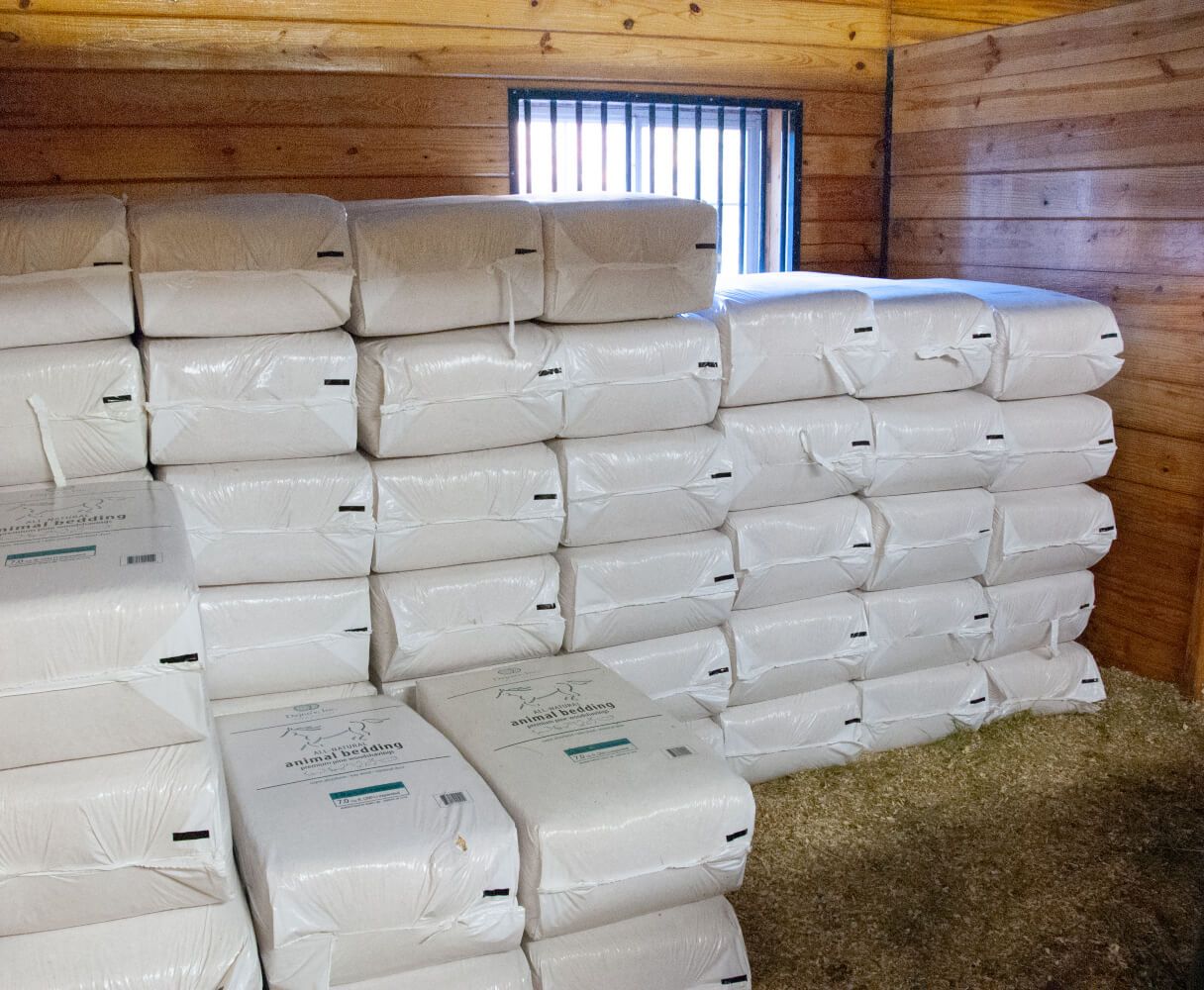
- Replace damp bedding frequently.
- Keep waterers elevated and outside of the main roosting area when possible.
- Use nipple waterers or spill-proof systems to reduce splashing.
- Implement deep-litter systems carefully to allow microbial heat to develop while keeping the top layer dry.
If you notice discoloration, swelling or darkened comb tips, act fast — early care makes all the difference. When in doubt, consult an avian vet or contact your local cooperative extension for guidance.
Provide Proper Roosting Design
Roosts should be flat and wide enough (about two to four inches) so birds can cover their toes with feathers while sleeping. Round perches expose toes to air on all sides, increasing frostbite risk. Wood retains heat better than metal.
Monitor Temperature Extremes
When nighttime temperatures dip below 20 degrees Fahrenheit (minus six degrees Celsius), pay special attention to flock behavior. Birds huddling tightly or refusing to roost may indicate cold stress.
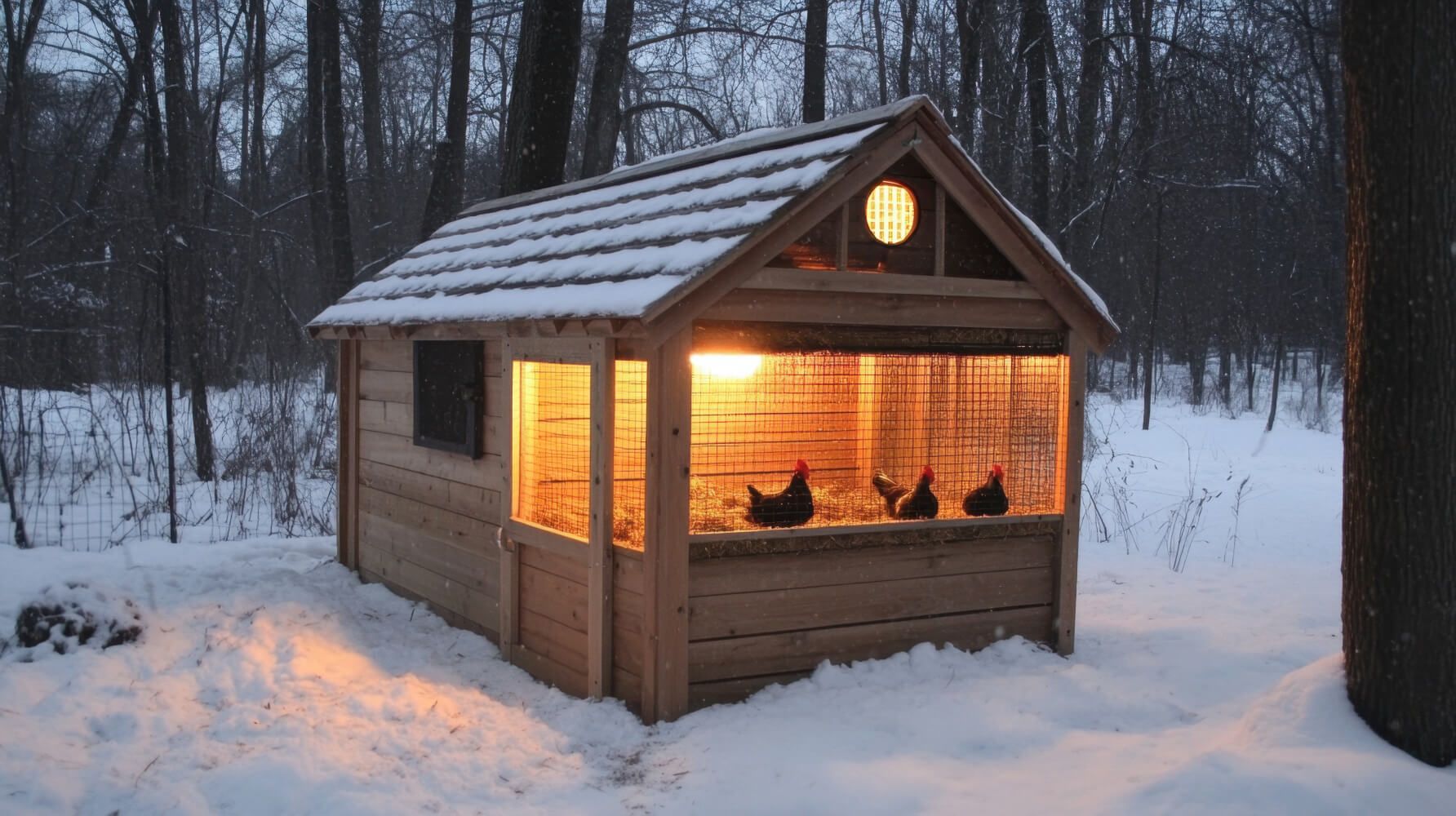
In extreme conditions, temporary heat sources — such as radiant heaters or well-shielded brooder plates — can be used, but open heat lamps are discouraged due to fire hazards.
Protect the Comb and Wattles
Applying a thin coat of petroleum jelly or lanolin can provide a moisture barrier and reduce evaporative heat loss. While not a cure-all, it’s a simple protective measure before cold snaps.
For show birds or valuable breeders, some keepers use wattle guards or custom foam insulation to reduce exposure.
Nutrition for Tissue Resilience
Feed a balanced winter ration high in energy (fat) and ensure access to fresh, unfrozen water.Supplements such as vitamin E, A, D3 and selenium support tissue integrity and immune response, improving recovery from cold stress.
Recognizing Frostbite: Signs and Stages
Early signs include:
- Pale or whitish discoloration on comb tips, wattles or toes
- Slight swelling
- Bird pulling feet up frequently or shaking head
As frostbite progresses:
- Affected tissue turns dark red, gray or black
- Skin may feel hard or leathery
- Blistering or peeling can occur in severe cases
Advanced frostbite may lead to necrosis and sloughing of tissue. In extreme cases, toes, comb tips or wattles may fall off entirely. Though birds can survive such losses, it is painful and leaves permanent disfigurement.
First Aid and Treatment
- Bring the Bird Indoors: Move affected birds to a draft-free, room-temperature environment — never directly into heat. Rapid warming can worsen tissue damage by increasing inflammation and vascular leakage.
- Gradual Warming: Use lukewarm (not hot) compresses or soak the affected area in 100 degree Fahrenheit (38 degree Celsius) water for 15 to 20 minutes. Repeat once or twice daily for mild frostbite. Do not rub or massage the area — this can rupture cells and cause additional damage.
- Pain and Infection Control: Apply a topical antiseptic (chlorhexidine or diluted povidone-iodine) followed by a thin layer of antibiotic ointment. Severe cases may require systemic antibiotics under veterinary supervision, as frostbitten tissue is prone to infection and gangrene.
- Monitor for Secondary Issues: Watch for signs of systemic stress — lethargy, reduced appetite or limping. Birds recovering from frostbite expend significant energy for healing and may need increased caloric intake and vitamins.
- Do Not Remove Dead Tissue Prematurely: Allow necrotic tissue to dry and slough naturally unless infection spreads. Premature removal can cause bleeding and worsen outcomes.
The Science of Recovery
Tissue repair following frostbite involves reperfusion injury, where returning blood flow generates oxidative stress and inflammation.
Birds that survive initial exposure often experience swelling, tissue sloughing and sometimes deformity. Supplementing antioxidants (such as vitamin E and selenium) and ensuring a warm, low-stress environment supports healing and prevents recurrence.
Conclusion: A Preventable Winter Challenge
Frostbite may seem inevitable in cold climates, but with the right management, it’s (almost) entirely preventable. The combination of dry air, balanced ventilation, proper roosts and attentive flock observation goes a long way toward keeping combs, wattles and toes healthy all winter long.
A little science and preparation — combined with daily checks — ensures that when the frost settles on the coop roof, your birds stay safe, warm and frostbite-free.
Tags:Poultry Lifestyle











Acreage Life is part of the Catalyst Communications Network publication family.