


Winter-Ready Guardian Dogs
Winter Welfare & Management of Livestock Guardian Dogs

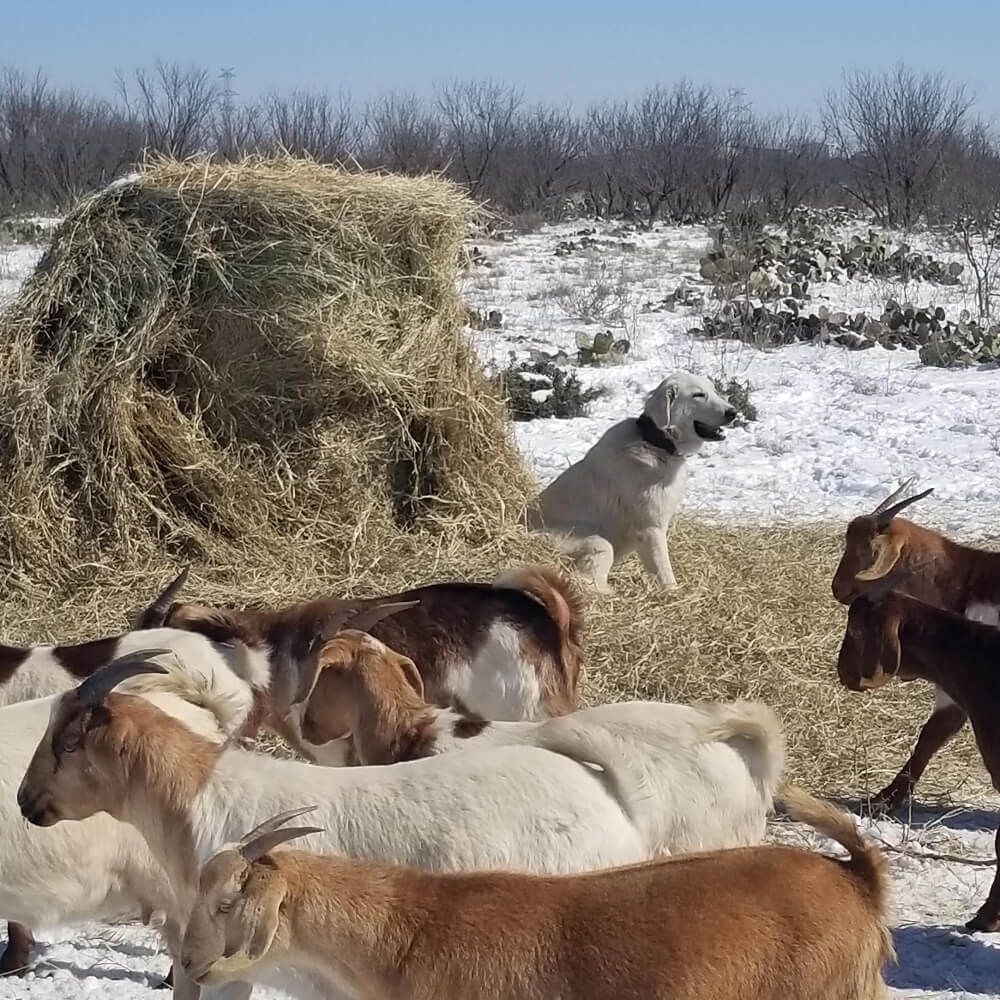
In states with long winters, managing livestock guardian dogs (LGDs) can be demanding. Freezing temperatures, sleet, snow, and wind increase LGDs' risk of cold stress. Many LGDs stay outdoors year-round for protection.
Although LGDs with proper coats are usually suited for outdoor work, their cold tolerance varies with age, health, body condition, coat quality, acclimation, wind, and moisture. Even LGDs adapted to cold climates need dry shelter, unfrozen water, nutrition, and monitoring. Before winter, assess each dog's shelter, coat, age, condition, health, acclimation, and access to food and water. Since cold tolerance varies, manage based on their needs and the weather, not a fixed temperature.
Winter Assessment for Outside Dogs
Acclimate LGDs gradually as temperatures drop. Dogs abruptly moved from a warm environment to severe cold have limited opportunity to develop seasonal adaptations. Closely monitor your LGD during the initial major cold front to ensure adequate warmth.
Consider age when assessing cold tolerance. Very young puppies, senior dogs, and those with health conditions are more vulnerable to cold stress because of compromised thermoregulation, reduced body reserves, or diminished coat quality. Provide dry, protected bedding and closely monitor these dogs during freezing or wet weather.
Assess the dog's coat condition regularly during winter. Most LGD breeds have dense double coats with outer hairs and insulating undercoats. A clean, dry, and mat-free coat insulates better than a wet, muddy, or matted one. Long hair alone doesn't guarantee cold tolerance.
Monitor dog health and nutrition carefully. Underweight, injured, ill, or recovering dogs need extra attention in severe weather. Working dogs may require more calories in cold weather, but no fixed percentage applies. Adjust diets based on weight, activity, weather, body condition score (BCS), and muscle condition. Consult a veterinarian if weight loss persists despite increased feeding.
Assess an LGD's body size, but don't rely on it alone for winter hardiness. Larger dogs lose heat more slowly. Coat length, wind, moisture, age, health, and body condition also matter. Watch for winter weight loss and check ears, tail tips, and paws during severe cold and extended winter weather.
Evaluate LGD BCS throughout winter. On a nine-point scale, four to five is optimal for most adult dogs. No validated winter BCS target exists for LGDs, so avoid exceeding a healthy weight. Slightly higher BCS, such as 5.5, offers better insulation. Maintain appropriate BCS and muscle, increasing calories if needed to prevent weight loss.
Signs of Distress or Hypothermia
Hypothermia and frostbite are veterinary emergencies. Move the dog to a warm, dry place, dry its wet coat, and wrap it in heated blankets. Warm the animal gradually; avoid rubbing frostbitten tissues or using hot water or direct heat. Contact a veterinarian immediately and transport the dog for evaluation.
Early Signs:
- Rectal temperature below the normal canine range (about 100.5 to 102.5 degrees Fahrenheit is normal)
- Shivering (although shivering alone does not reliably indicate the severity of hypothermia)
- Reluctance to move, lifting paws, hunched posture, or seeking shelter
Moderate Signs:
- Weakness, abnormal stiffness, or poor coordination
- Slow or shallow breathing
- Confusion, lethargy, or decreased responsiveness
Severe Signs:
- Collapse, unconsciousness, or markedly reduced responsiveness
- Pale or cool skin and tissues, especially the ears, tail tip, feet, or paws
- Persistent wetness, ice accumulation, or snow packed into the coat or between the toes, especially when accompanied by other signs of cold stress
Winter Management Practices
Shelter
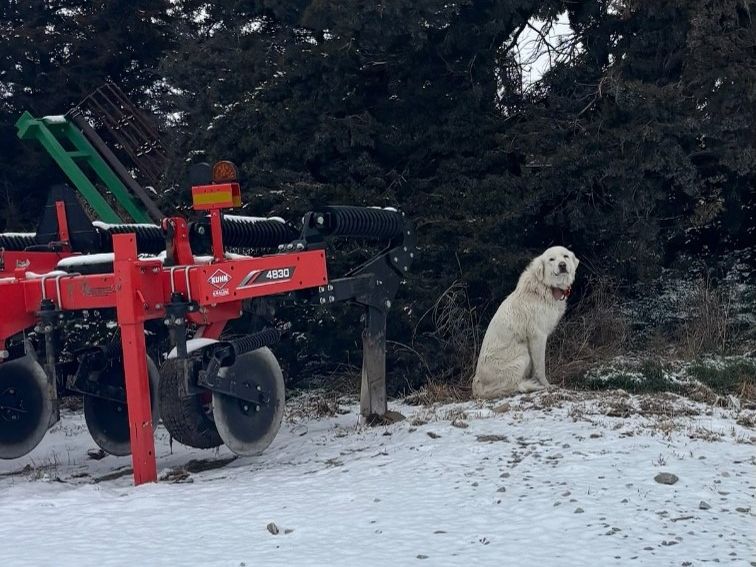
Working LGDs need protection from cold rain, sleet, snow, and wind. They can use shelters, windbreaks, barns, or natural cover, but each dog must have access to a dry, wind-protected resting spot. Wet, windy, freezing conditions are riskier than dry cold. A shelter is recommended even if they use it infrequently, and local laws may specify minimum requirements. It should protect against wind and rain, be elevated above wet ground, and allow the dog to stand, turn, and lie comfortably without extra space.
Offset the entrance or use a flexible flap to reduce wind and rain. Slant the roof and direct runoff away to keep the interior dry. Position shelters on well-drained ground, away from water and snowmelt, and where winds are blocked. Shelters inside sheds or barns offer extra protection.
Bedding
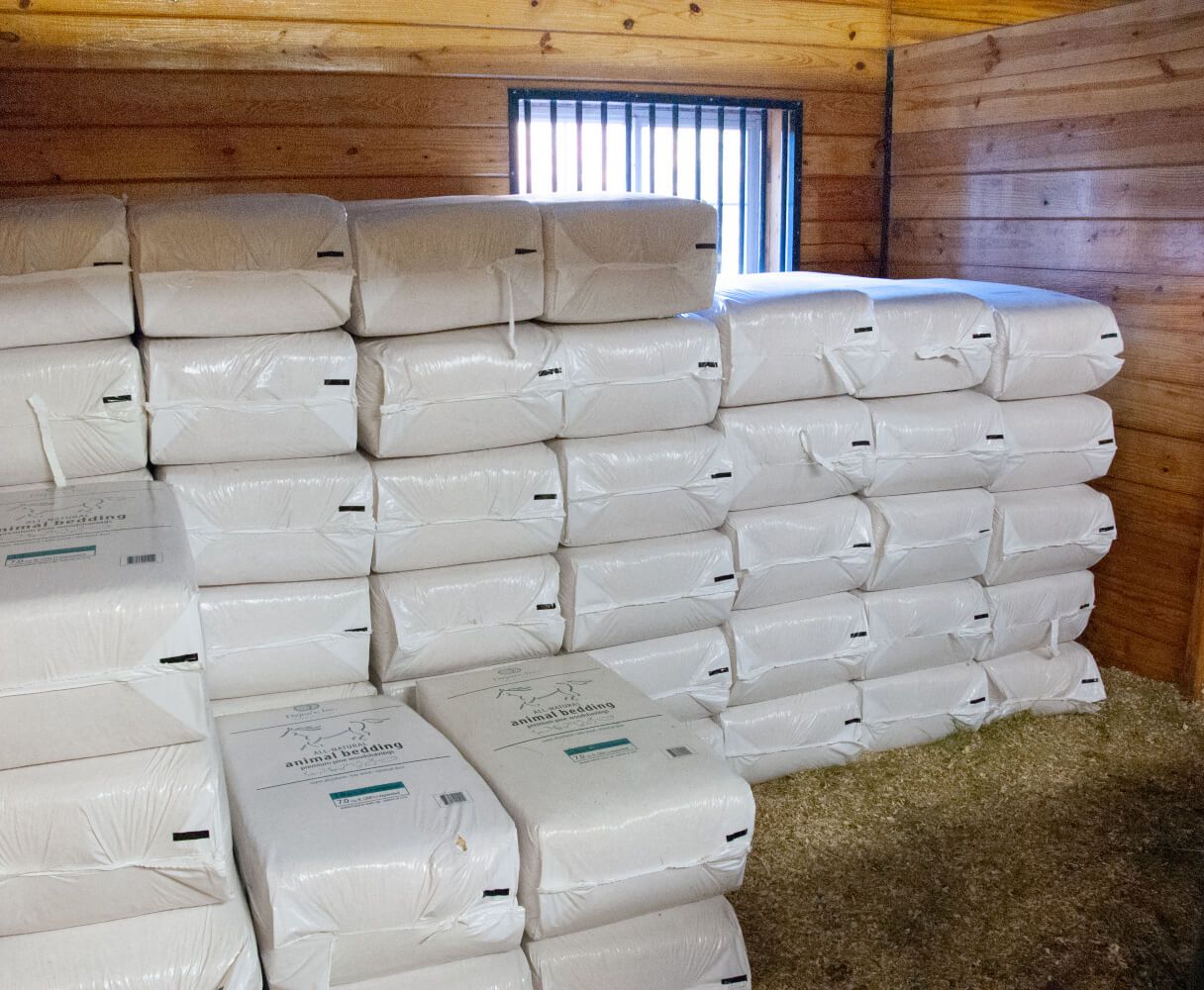
Provide a deep layer of clean, dry bedding. Straw serves as an effective winter insulator, and dry wood shavings are also suitable. Avoid using blankets or rugs in exposed shelters, as they can absorb moisture and freeze. Replace bedding promptly when it becomes wet or soiled.
Water
Ensure continuous access to clean, unfrozen water. Heated buckets or stock-water systems are effective when installed safely and protected from hazards. Inspect water sources regularly, as ice can restrict access even if containers appear full. Freeze Misers faucet protectors help prevent freezing and may keep troughs ice-free in small areas.
Foot Care
Inspect paws regularly for packed snow, ice, cracks, abrasions, or chemical irritation. Remove ice with a lukewarm towel or water, then dry thoroughly. Avoid deicing salts, which can irritate paws and be harmful if ingested. Paw wax and ointments may help some dogs but don't replace routine inspection.
When Is It Too Cold for an LGD
A common question is, “When is it too cold for my LGD outside?” No single temperature fits all dogs. Signs such as shivering, lifting paws, hunched posture, reluctance to move, weakness, or seeking shelter show your dog needs protection. If you bring livestock into barns in the winter, ensure your LGD has proper shelter. This is the best way to judge whether it's too cold for your LGD to be outdoors.
Tags:Farm & Flock









Acreage Life is part of the Catalyst Communications Network publication family.