



Be Ready Before It Snows
Winter Prep: Build a No-Panic Kit

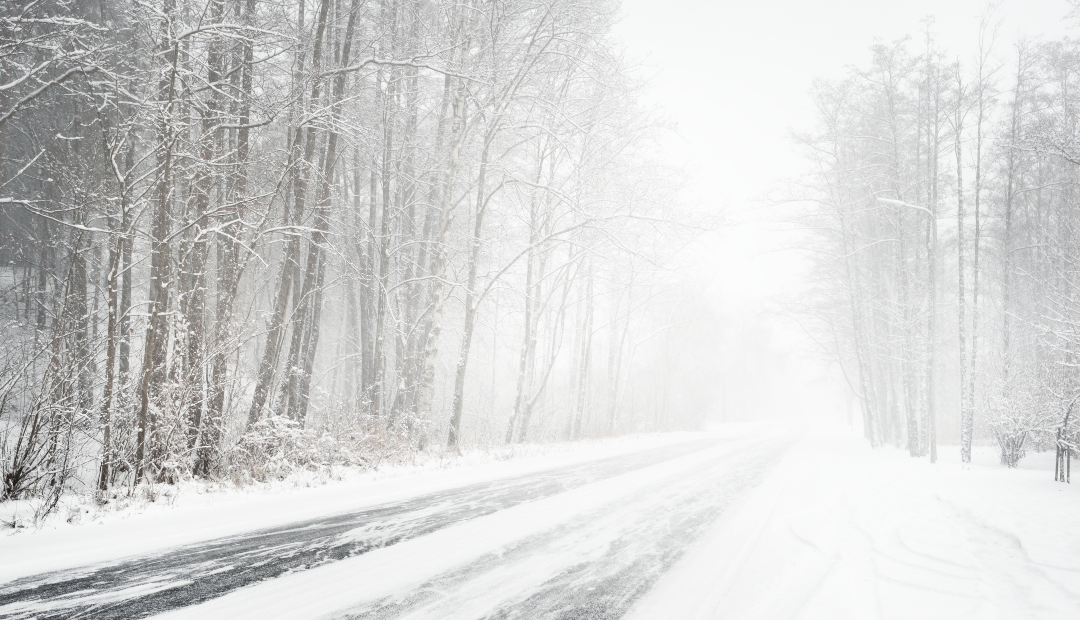
Winter doesn’t play favorites. Whether you’re out on a quiet gravel road or tucked into a suburban cul-de-sac, a single storm can take out the power, shut down the roads and leave you wishing you’d planned ahead. Out in the country, though, unpreparedness isn’t just inconvenient — it can be downright dangerous.
With a little planning, winter storms don’t have to catch you off guard. By putting together practical emergency kits for your home, barn and truck, you’ll be ready to ride out Mother Nature’s worst without panic when the snow piles up.
Start With a Cold-Weather Plan
The first step is to take stock of your situation. How many people are in your household? How many animals are you caring for? How long could you be stuck on your own?
Online emergency preparedness lists are a decent place to start, but rural living brings different challenges. Maybe it’s water lines that are in danger of freezing if the power goes out, or a mile-long driveway that’s impossible to plow until daylight.
Think through the problems you’ve faced before and the ones that keep you up at night. Your kit should solve for those first.
Keeping the Home Fires Burning
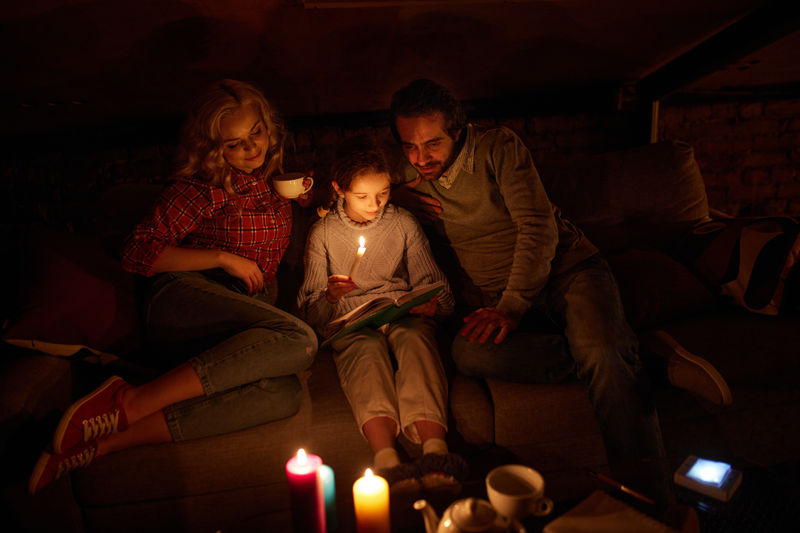
When the wind howls and the lights flicker, you don’t want to be scrambling for candles in the dark. A well-stocked house kit keeps your home comfortable — or at least livable — until the grid comes back online.
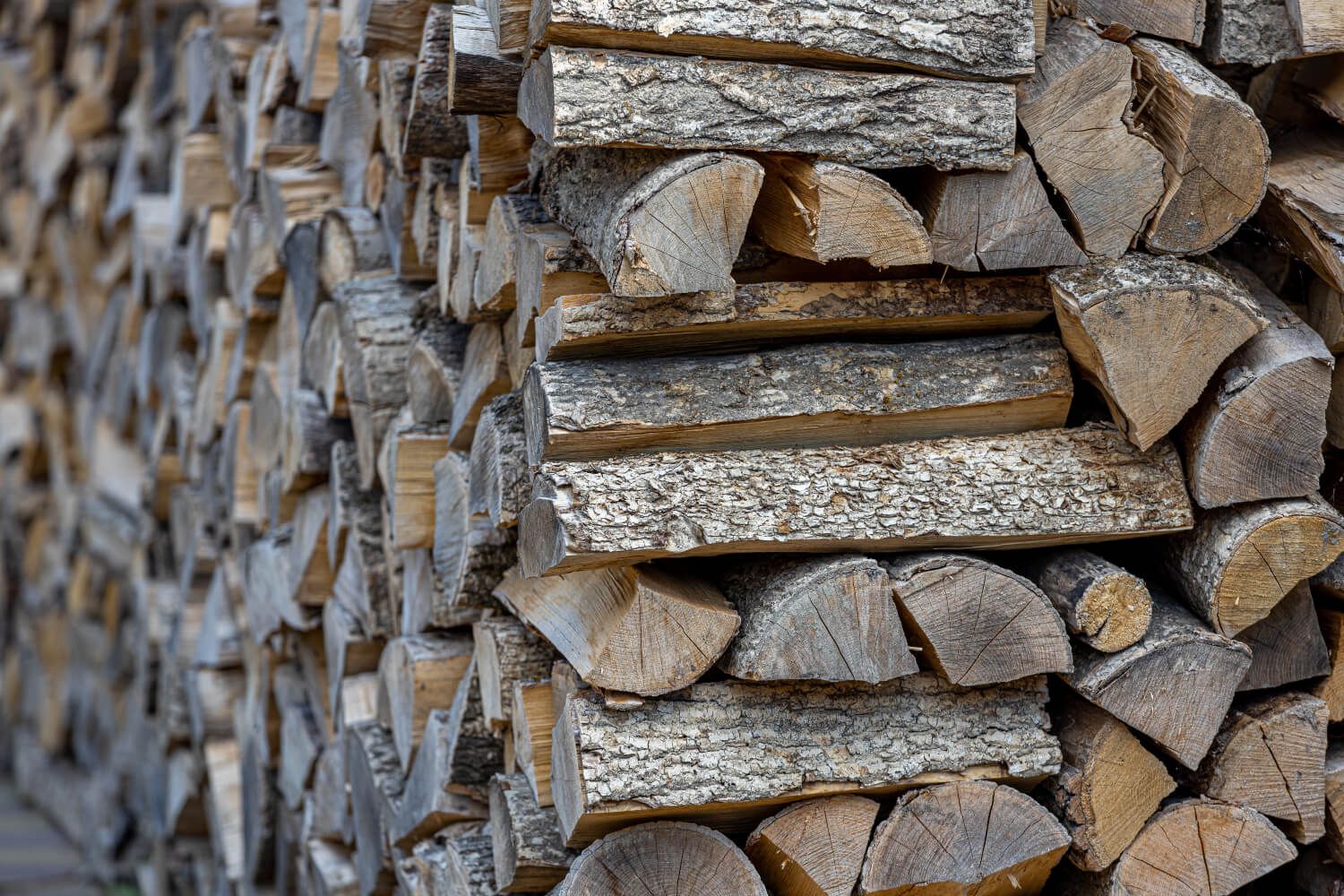
Start with warmth. A backup heat source, such as a safe portable propane heater or a wood or pellet stove, is your first line of defense. If you rely on a fireplace or wood stove, don’t wait until the forecast calls for snow to stack extra wood or pellets.
And don’t underestimate the power of good, old-fashioned layers: heavy blankets, extra quilts and warm socks can make the difference between shivering and enjoying a long winter’s nap.
Light and power are next. Keep flashlights and headlamps handy, with extra batteries stashed in an easy-to-reach place. Rechargeable lanterns make dark evenings less dreary and a portable power bank or solar charger can keep your phone alive long enough to check in with loved ones and check the weather reports.
If you have a generator, test it before the cold sets in and store enough fuel to run it for several days.
Water and food are where most people get caught short. Aim for at least a gallon of water per person per day, plus extra for pets.
As for food, stock up on shelf-stable items that don’t require much cooking — canned soups, pasta, beans and rice are staples for a reason. Throw in a few comfort items, too. Coffee, tea or cocoa may not be essential, but they do wonders for morale when the house is cold and quiet. If you do it right, you could make a power outage feel more like a rustic staycation than an emergency situation.
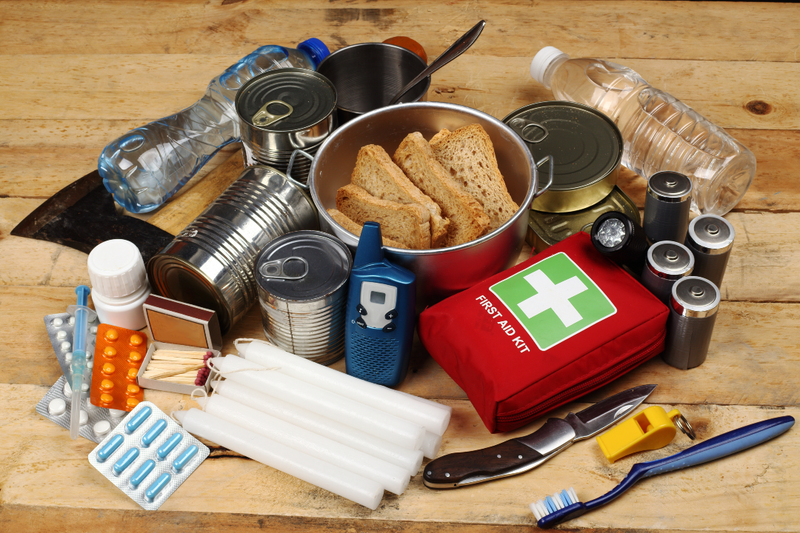
Finally, don’t forget the little things: a first-aid kit, prescription medications and unplugged entertainment such as a deck of cards or puzzle books. When screens go dark, you’ll be glad for simple pleasures to keep you occupied.
Barn Basics for a Blizzard
If you’ve got animals, winter prep means double duty. Checking on livestock in the middle of a snow squall is already daunting but discovering you’re out of feed on top of that adds a whole new layer of stress.
Your barn kit needs to cover food, water, warmth and safety for every critter in your care.
Feed is priority number one. Keep at least a week’s worth of hay, grain or specialty provisions in reserve — but remember to rotate it to keep it fresh.
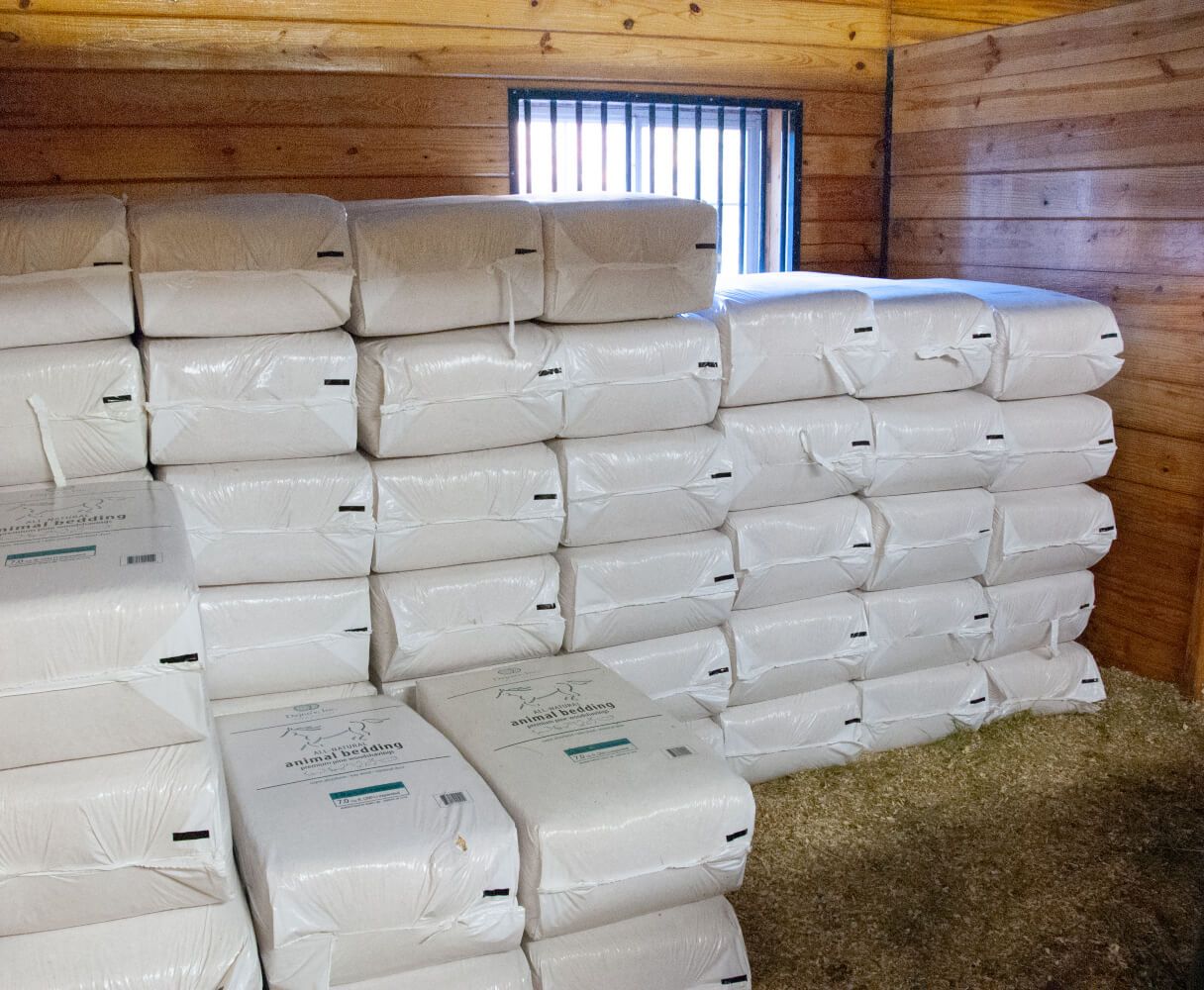
Bedding is next. Stock extra straw, shavings or mats to keep stalls and coops cozy when the temperature dips.
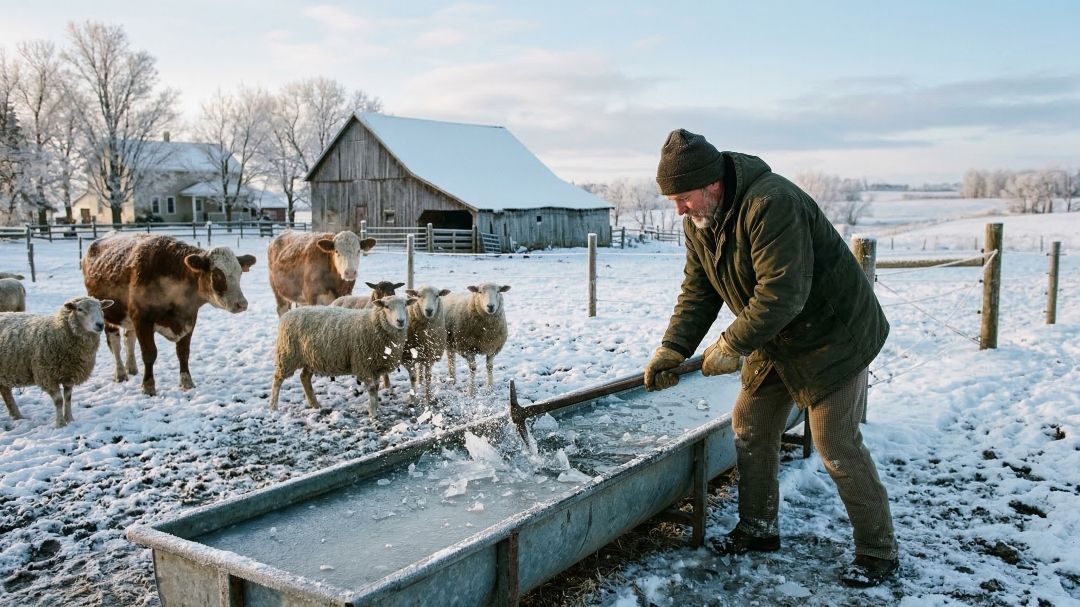
Water can be the biggest challenge during a freeze. Heated buckets or automatic waterers prevent the daily ice-breaking routine, but you’ll want a backup plan. A few jugs of clean water stored in the house or garage can buy you time and keep your animals hydrated if lines freeze solid.
Finally, don’t overlook health and safety supplies. Keep a basic animal first-aid kit and medications in a dry, easy-to-reach spot.
Portable lighting such as battery-powered or solar lanterns is a must for late-night barn checks when the power is out. And before the first hard freeze, walk your property to check fences, gates and shelter structures. It’s far easier to patch a weak spot on a warm afternoon than during a whiteout.
Be Your Own First Responder
Winter and driving don’t mix well — stranded halfway up a steep road in a storm isn’t the time to discover you forgot the chains, and the drive home from town can get cold if you find yourself in a ditch. Fortunately, a properly stocked truck can turn a dangerous situation into a minor inconvenience.
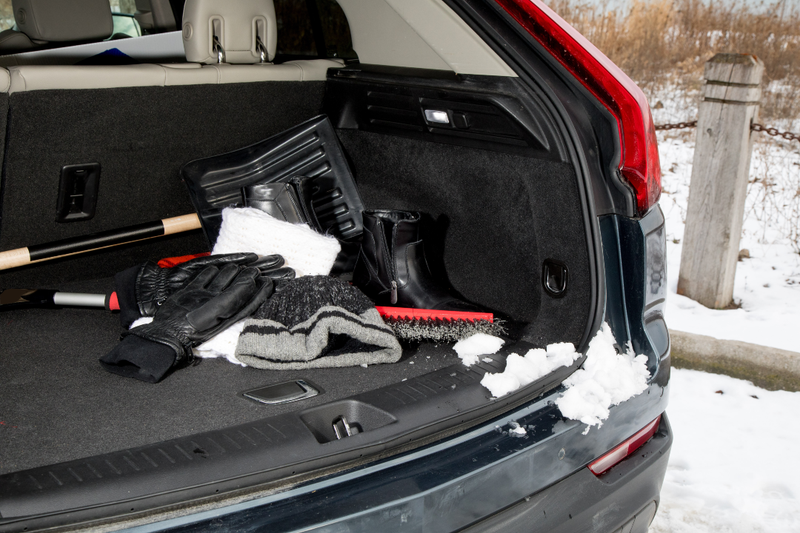
Traction gear is your first line of defense. A small shovel, a bag of sand or cat litter and a set of tire chains can get you out of a slick driveway or a snowed-in roadside pull-off. Pair those with reflective triangles and a high-visibility vest to keep yourself safe if you’re stopped in a squall.
Next, plan for warmth. Toss in a couple of heavy blankets, an extra pair of gloves, a warm hat and thick socks. Hand warmers take up almost no space but can make a world of difference when cold weather and unforeseen circumstances team up.
Food, water and power are non-negotiable. Stash a few energy bars and bottled water in your cab and rotate them each season. A car charger or portable power bank ensures you can call for help if you need to.
Finally, check your vehicle before the first snow hits. Top off the windshield washer fluid with a winter-rated formula, keep your gas tank at least half full and check tires for proper tread and pressure.
A Little Planning, Lots of Peace of Mind
The beauty of a winter kit is that you only have to assemble it once, and then just rotate supplies once or twice a year. Take an afternoon to inventory what you have, make a shopping list for what you’re missing and test mechanical components to be sure they’re ready to go.
Because when the snow starts falling and the world goes quiet, you want to be sipping cocoa by the fire, not digging the generator out from behind last summer’s lawn chairs.
Quick Checklists for Winter Kits
For the House:
- Backup heat source and extra fuel (propane, wood or pellets)
- Flashlights, lanterns, extra batteries and power banks
- One gallon of water per person per day (plus some for pets)
- Shelf-stable foods and easy snacks
- First-aid kit and necessary medications
- Extra blankets, warm clothes and backup toiletries
- Deck of cards, books or low-tech games for entertainment
For the Barn:
- At least a week’s worth of feed and bedding
- Heated buckets or waterers, plus backup water storage
- Animal first-aid kit and medications
- Portable lighting for nighttime checks
- Shovels, ice melt safe for animals and basic tools
- Insulation materials for stalls, coops or shelters
For the Vehicle:
- Bag of sand or cat litter, tire chains and small shovel
- Reflective triangles and a high-visibility vest
- Warm blankets, gloves, hats and extra socks
- Hand warmers for quick, portable heat
- Energy bars and bottled water (rotated seasonally)
- Power bank or car charger for your phone
- Ice scraper, tow strap and jumper cables
Tags:Seasonal Living













Acreage Life is part of the Catalyst Communications Network publication family.