



More Than a Cute Face
Why (& Why Not) to Get a Donkey

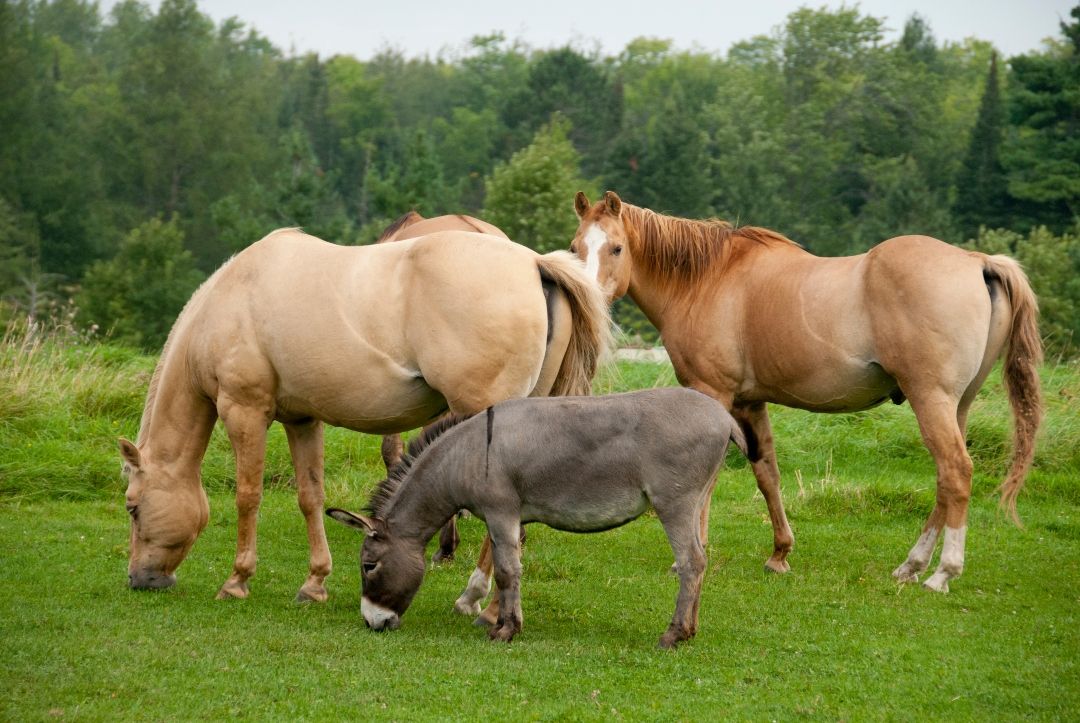
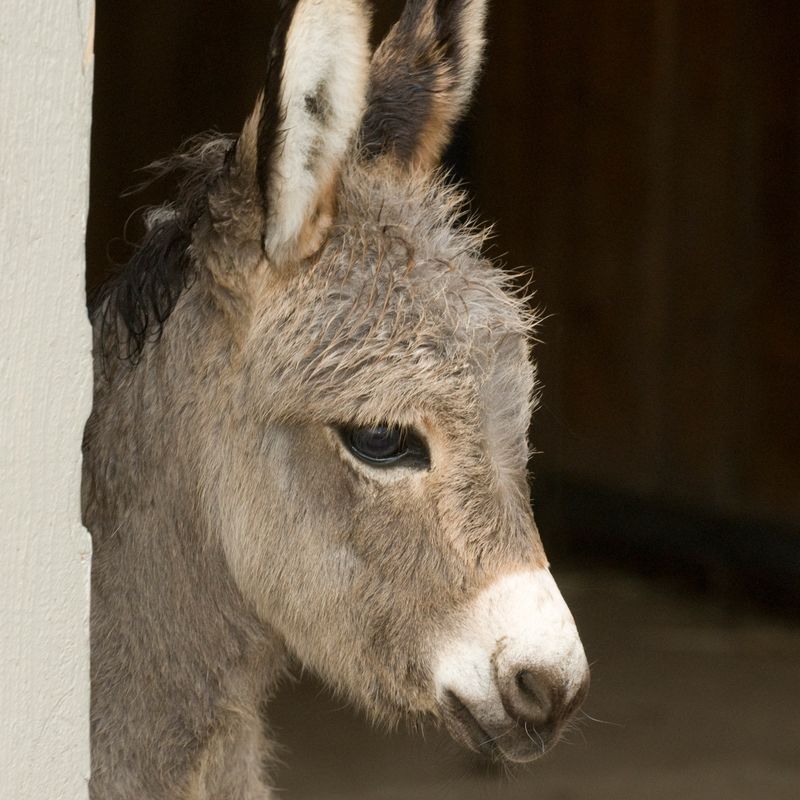
Those ears! Understandably, that's the first thing most people comment on when they see a donkey. But there's so much more to these members of the Equidae family than their impressive auditory equipment.
Their appeal has endured for thousands of years, and their usefulness is well documented. So will a donkey fit in on your homestead? Let's dig a little deeper and find out.
Why (or Why Not) Donkeys?
There's lots to love about donkeys and many reasons why you might want one for your homestead. Donkeys are, of course, known for their skill as pack animals as well as for their versatility. They are intelligent and can be trained under saddle or in harness, although the small stature of many donkeys can limit their potential for being ridden by adults. (Some people are surprised to discover that there are dozens of donkey breeds all across the world, and these range widely in size from miniature to mammoth, but many are pony-sized.) Donkeys have more than proven their usefulness since Biblical times, and they've been a valuable part of the farm family all throughout history.
Donkeys are also known for their longevity, with lifespans spanning beyond that of the typical horse. They are hardy, easy-keepers, and notably sure-footed — all traits that have made them exceptionally well-suited to life on the trail as pack animals.
They're cautious and stoic, but behind that calm exterior you'll likely find a donkey with big feelings and a lot of love to give. The University of Georgia Extension notes that donkeys tend to become easily attached to their companions. A donkey might form an attachment with the other horses or donkeys in its pasture, or it may bond with its human family. Some donkeys get attached to other livestock such as sheep.
So although donkeys are loyal, devoted, and true friends to anyone they bond with, along with this devotion comes a propensity to be territorial. This aspect of their nature is why they're sometimes used as livestock guardians, especially in areas where coyotes are problematic. But it's important to remember that not all donkeys are well-suited to the job of livestock guardian. Some donkeys seem to thrive in the role, but others may be seriously stressed by the task. Donkeys are often leery of canines, which is why they can be effective at keeping coyotes away; on the other hand, your donkey may also extend this distrust to your farm dogs, so keep that consideration in mind.
A donkey's loud bray is almost as iconic as its long ears, so you'll want to think seriously about whether or not "hee-haw, hee-haw" is something you'd enjoy as a continual part of the soundtrack of your homestead. Some people find the sound endearing; others don't.
Daily Care
Caring for a donkey is similar to caring for any other equine. Your donkey will need all the basics: a safe and comfortable environment (including shelter and turnout), an appropriate diet, continuous access to fresh water, and regular care from a veterinarian and farrier. But while the generalities are similar between caring for horses and caring for donkeys, there are also distinct differences in the specifics of caring for the two.
Nutritional requirements vary widely and always depend on the individual, but as a rule donkeys thrive best when not overfed (Penn State Extension estimates that donkeys are typically fed 25% less than horses of the same size). Grass hay and lesser-quality pasture often suit donkeys just fine, thanks to their excellent digestive systems. It's important to discuss your donkey's diet with a veterinarian or equine nutritionist; Penn State Extension notes that donkeys can be susceptible to laminitis and obesity.
Hoof care is essential, and donkeys benefit from conditions that keep their feet dry. Prolonged exposure to dampness (indoors or out) can be problematic for a donkey's hooves, and dry conditions are much more beneficial.
It's important to have a veterinarian who is knowledgeable about donkeys, especially when it comes to medications, as they differ from horses in this area.
Common Misconceptions
You've undoubtedly heard that donkeys are stubborn. This is not necessarily true. Sometimes a donkey will cautiously approach a new situation and evaluate it slowly. In a “spooky” circumstance that might send other equines straight into “flight” mode, a donkey might carefully look at the situation and simply not move on until he’s feeling more at ease. A good relationship between donkey and handler is important to help put the donkey’s naturally cautious attitude to best use.
And in the same way that many people think ponies and foals are the same thing (oops! they're not), many people also think that donkeys and mules are the same thing. Ah, not so! Here's how it works. If a male donkey (known as a jack) and a horse mare have a foal, the result is a mule. If a female donkey and a horse stallion have a foal, it's called a hinny. These hybrid offspring are beloved by many for the unique combination of qualities they exhibit. But remember: mules and hinnies are sterile and cannot reproduce due to the fact that they have 63 chromosomes.
But let's set aside those misconceptions and just think about those ears! Who can resist?
Tags:Horse Sense











Acreage Life is part of the Catalyst Communications Network publication family.