



Chicken Tractors 101
Why Mobile Coops Make Sense

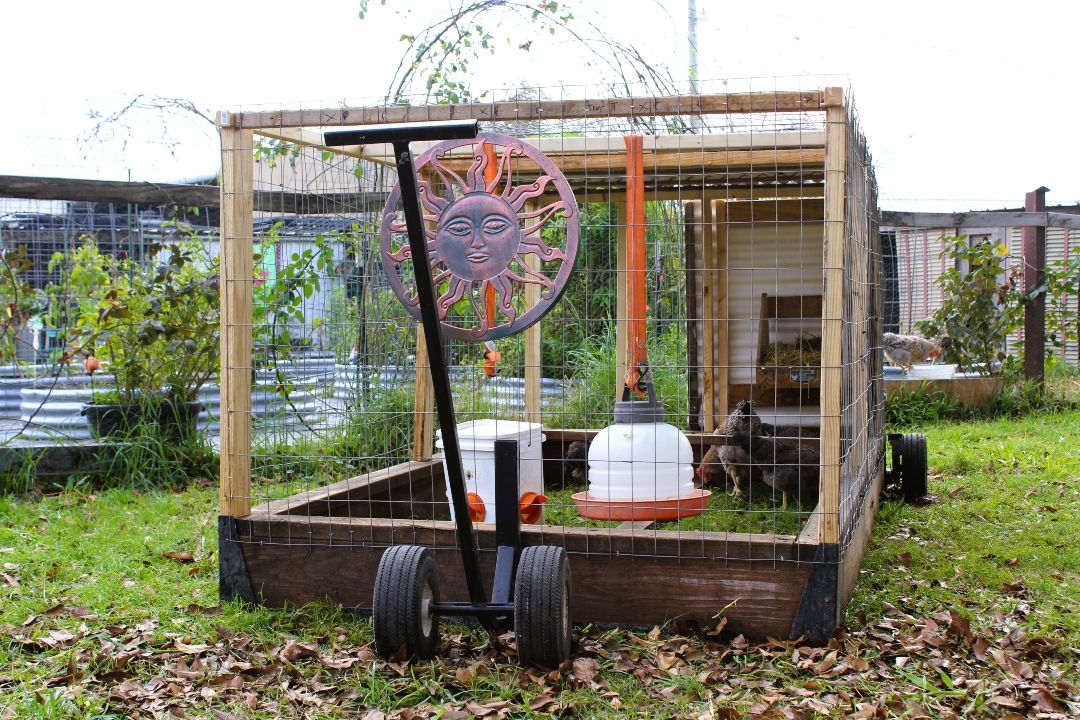
You might be wondering what a mobile coop, otherwise known as a chicken tractor, is and how it can benefit your backyard, homestead or farm. Mobile coops provide flexibility, healthier pastures and easier management, making them a smart choice for raising chickens.
When we first started raising our chickens in our previous neighborhood, in our small backyard, we needed a way to keep them safe and out of other people’s flower beds. That started as a small prefab coop from a big-box store; I don’t even have to tell you how fast those six chickens completely decimated the grass in that coop. Mud, dirty eggs and dirty chickens...we had it all! It wasn’t a fun time for them or us.
When we moved to our current home, we knew we didn’t want to deal with the same issues, so we began researching chicken tractors.
We wanted our chickens to stay healthy, our eggs to stay clean and our yard to remain green. Our initial tractors were lightweight aluminum-framed kennels that I moved around the yard every few days. No wheels, just brute force and a desire to keep my luscious grass!
We learned many lessons in the year or so that we tractored our birds on roughly a half-acre.
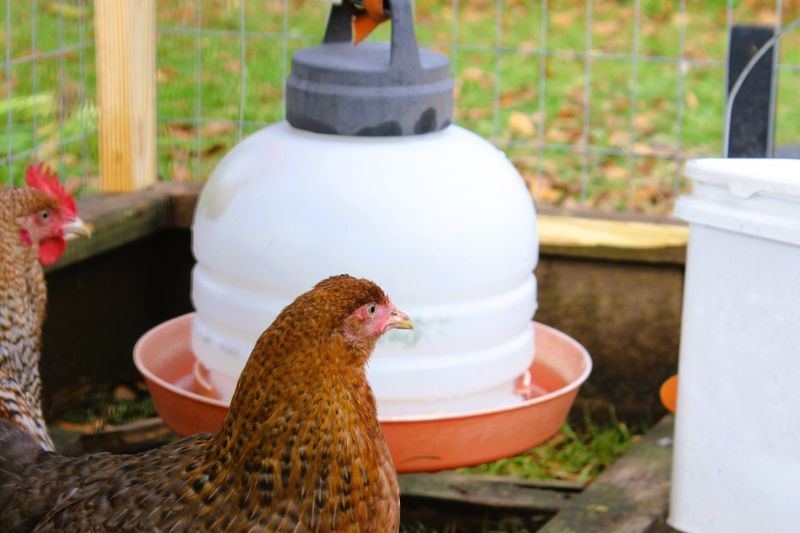
Why Moveable Coops Make Sense
Let’s start off with the positives; you’ll find many more of those than you will negatives when it comes to raising poultry in mobile coops.
Maintenance
The biggest benefit for me was the lack of cleaning required! If you are raising birds in any type of stationary setting, you know that it requires a substantial amount of shoveling shavings and manure. Coops must be refreshed often to prevent illnesses, reduce parasites and keep the smell down as ammonia can be detrimental to birds' lungs.
Depending on the amount of space you’re working with, the number of birds you have and the season, you can plan to move your chicken tractor every few days. I prefer to move ours every three to five days. This will prevent any buildup of manure and reduce your risk of illness in your flock.
Environment
Not only will moving your poultry every few days benefit them, but it will also be a benefit to your soil.
If you love the idea of regenerative agriculture but don’t think you have the room to practice it, this is one way that you can. While your chickens will be enjoying their time eating fresh forage and digging for the tastiest bugs, they’ll also be aerating and fertilizing your soil naturally. Soil aeration has many benefits, including breaking up compacted ground, improving the delivery of nutrients and oxygen to the land and helping with water absorption. These will all lend to healthy green yards and pastures instead of a dirt wasteland.
Customization
One of my favorite things about deciding to use mobile coops was that I could design it for whatever purpose was needed. You don’t have to use them just to contain your poultry.
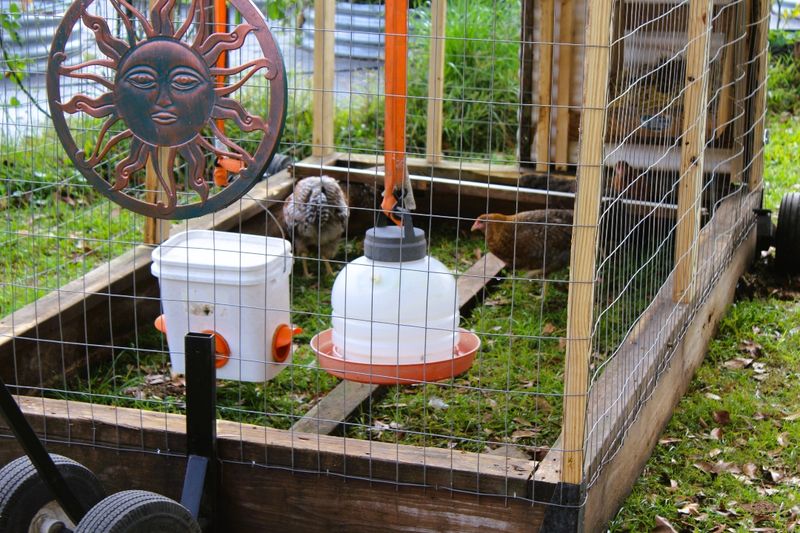
If you want to clean up your garden at the end of the season with minimal work for yourself, you can easily pass your tractor across those rows. We have raised garden beds and designed a more compact coop to fit them. This allows the chickens to clean up plant matter, clear out the nasty bugs, fertilize and till the soil naturally, all at the same time.
They’re great to use for quarantine pens, a hospital area or even for your broody girls to raise their chicks. The possibilities really are endless.
The Downsides
Now on to the biggest con of mobile coops, predator protection!
Predator protection needs depend on location. A backyard coop won’t need the same type of protection as one in the middle of an open field. Solid wire and sturdy construction will keep birds safe in your yard, whereas a larger space may require electric poultry netting if you choose to let your chickens free range during the day.
I recommend wire skirting either inside the coop or on the outer perimeter to deter any digging pests. No coop, whether stationary or mobile, will be 100% predator proof, but it’s always best to protect your poultry where you’re able.
Choosing (or Building) Your Coop
When it comes to choosing a chicken tractor or a mobile coop, there are many commercial options. As homesteaders who love a good do-it-yourself (DIY) project, we make most of them ourselves to suit our needs.
An important factor in building your own will be constructing a solid frame, which will be key to ensuring your coop can withstand frequent movement. Our infamous homestead “junk” pile comes into play here as we have all the leftover materials we need to construct one at little to no cost.
My only recommended purchase if you want to DIY your chicken tractor is a chicken coop wheel kit. Skids are also an option if you don’t want to spend that extra money.
Realistically, no matter which type of mobile coop or chicken tractor you decide to go with, the benefits to the poultry and yourself will far outweigh any negatives. Natural pest control, fertilizer, soil aeration, fresh forage, minimal cleaning and reduced risk of parasites are just a few of the reasons why one can’t go wrong when considering tractoring your poultry.
Tags:Farm & Flock














Acreage Life is part of the Catalyst Communications Network publication family.