


Iceland’s Gaited Companions
Small Stature, Big Personality and Power

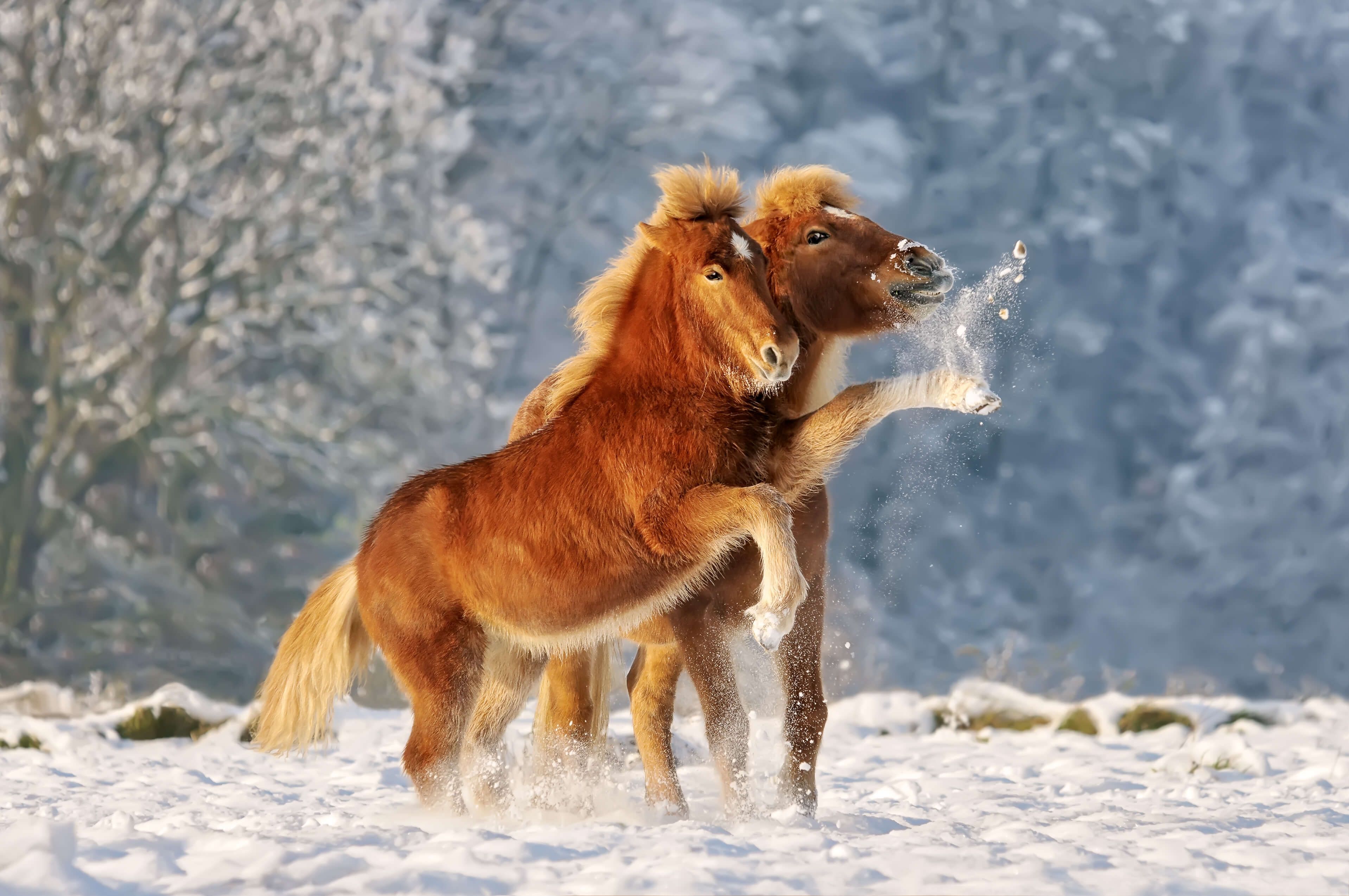
The island of Iceland, known to many as "the land of fire and ice," is famous for its epic landscapes and the elusive Northern Lights. It's also the birthplace of a beloved breed of equine, appropriately named the Icelandic horse.
Iceland recently made the news when mosquitoes were discovered on the island, among the first ever to survive Iceland's frigid climate. The country’s temperatures average 30 degrees Fahrenheit in winter and a chilly 52 degrees Fahrenheit in the summer as a result of its far northern location, which is west of Greenland in the waters of the Atlantic and Arctic Oceans.
As one might expect, Iceland's hardy horses are well-suited to the rigors of life in their chilly climate, displaying rugged endurance and longevity.
Viking Heritage Preserves Icelandic Purity
The ancestors of today’s Icelandic horses arrived with Viking settlers centuries ago, brought to the island by ship. Their genetic purity has been carefully protected ever since — horse importation has been banned in Iceland for more than 1,000 years.
Thanks to these dedicated efforts of horse breeders in Iceland, the gene pool for this breed has remained pure as a result. Another important policy: once an Icelandic horse has been exported off of the island it is never allowed to return, thus further protecting the breed's purity from outside influences.
Small in Size, Big in Strength
Icelandic horses average 12 to 14 hands high, although 12.2 to 13.2 hands is said to be the most desired size range and 13 to 14 hands is most common.
Despite the fact that they are technically pony sized, this breed is referred to as horses rather than ponies. The Icelandic language lacks a specific word for pony, and since there has only been one equine breed in the country throughout its history, the word hestur (horse) has proven sufficient, with no distinction needed between horse and pony. The Icelandic language does, however, have the word smáhestur, which translates to "small horse," although it's said that referring to an Icelandic as a pony is actually perceived as being rude.
Distinctive Looks and Vibrant Coat Colors
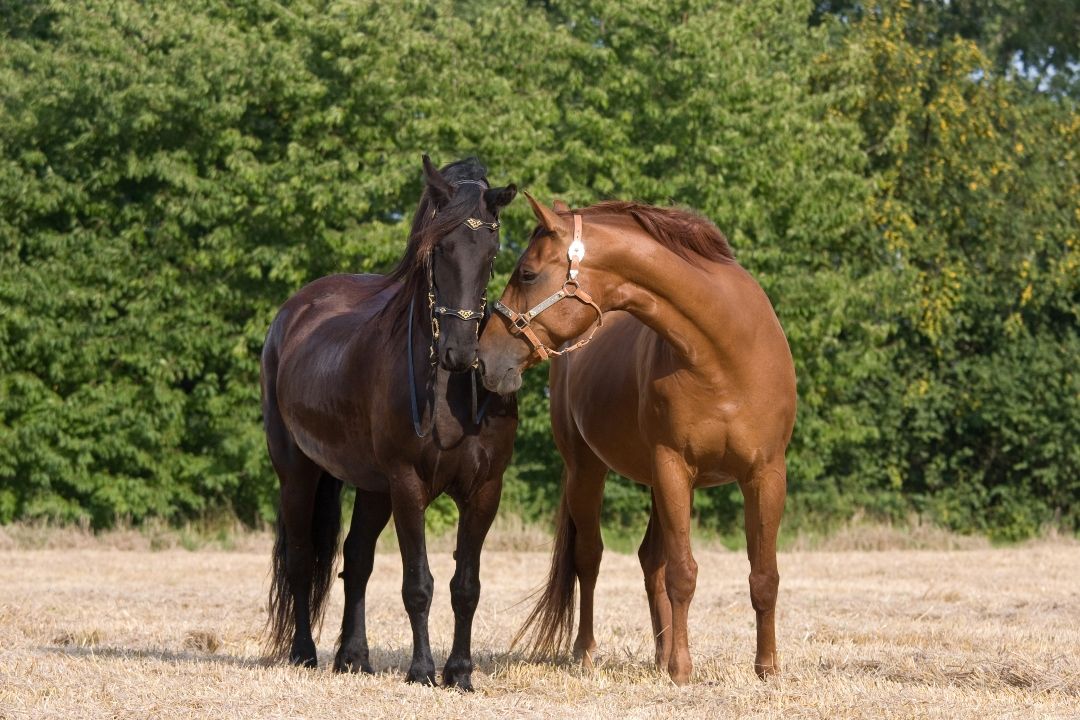
In both type and appearance, these breeds are unmistakably horse-like, with sturdy builds and striking presence. Their thick, often double manes and full, flowing tails add to their rugged beauty, perfectly suited to the wild landscapes of their homeland.
Although only one word in the country’s language was necessary to describe the breed, the same can't be said of its colors.
According to the United States Icelandic Horse Congress, which maintains the breed registry in America, the Icelandic language includes names for more than 100 horse colors and patterns.
While familiar shades such as bay and chestnut are common, owners celebrate the Icelandic horse’s remarkable genetic diversity and the wide array of hues it produces. Unlike many other lines limited to a narrow color range, this breed can appear in nearly any color — pinto patterns included.
Unique Gaits Make Smooth Riding Possible
Icelandic horses are a gaited breed, which means that in addition to the walk, trot and canter, Icelandics naturally possess two additional gaits: the pace and the tölt.
The tölt is a four-beat gait with a lack of suspension, which allows for speed and a smooth ride. The flying pace is known as flugskeið, and it's a lateral gait similar to that of a Standardbred (each pair of legs on a side move together).
Some people may note the diminutive size of the breed and wonder about their suitability for adult riders, but these horses were developed with the intent of being a reliable, trustworthy, athletic mount for adults, and have the substance and strength necessary for this purpose.
Worldwide, there are around 300,000 Icelandic horses; over one-third of these are found in Iceland and about 5,000 in the United States.
These horses excel in a wide range of disciplines both under saddle and in harness. The breed's strength and stamina make it a popular choice for endurance rides. But some Icelandics do well in driving and still others are suitable for dressage. Many Icelandics enjoy a nice trail ride, too. Their companionable dispositions and trainability, coupled with their inherent Nordic charm, have impressed horse enthusiasts all over the world.
Versatile, Trainable and Nordic in Nature
Sturdy, gaited and endlessly charming, Icelandic horses continue to captivate riders, proving small stature never limits strength or adventure.
Tags:Horse Sense












Acreage Life is part of the Catalyst Communications Network publication family.