


Starting A Backyard Beekeeping Adventure
Why Small-Scale Beekeeping is Rewarding For Your Garden & Soul

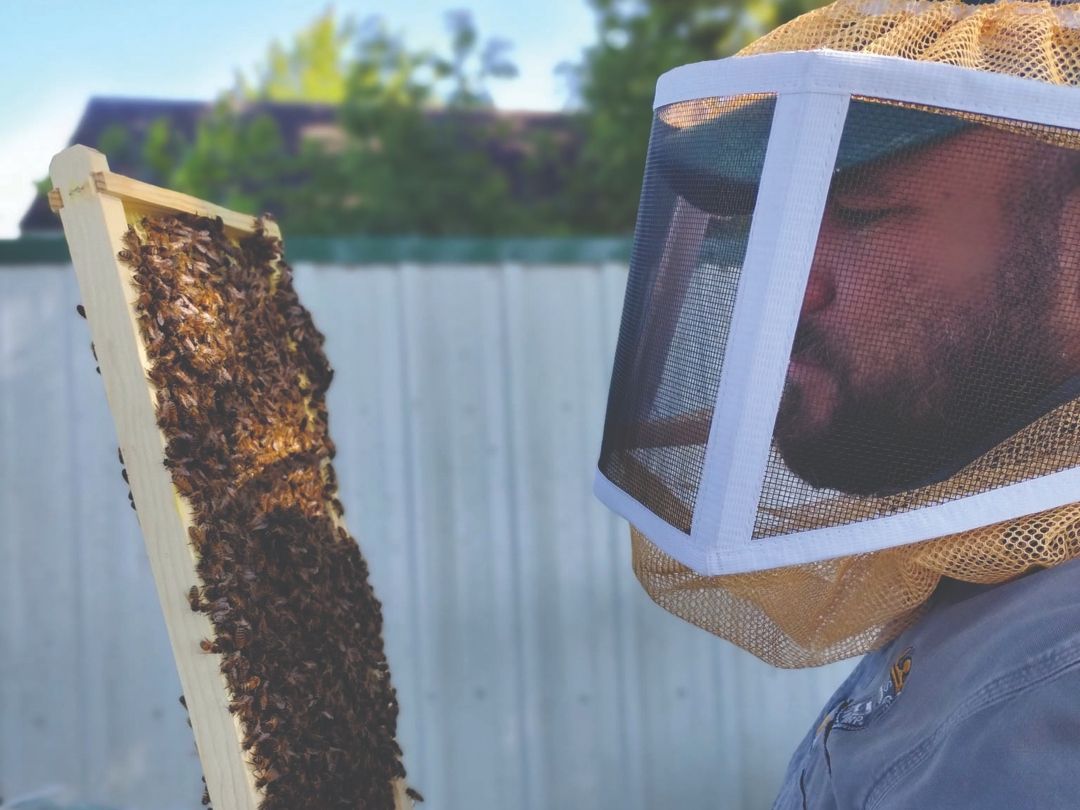
We did several years of research before getting into beekeeping. While I’m a big believer in research before jumping in, I’m also here to give you some beginner guidance on your journey! I’ll give you tips, tricks and resources to get you started with these amazing insects.
Not only are bees one of the most well-known pollinators on the planet, but the benefits that they bring to your gardens and orchards are unmatched. That doesn't even begin to touch on the liquid gold that those tiny little bees provide us with; the health benefits of honey alone are enough of a reason to give these gals (and a few guys) a place on your farm or homestead.
Collecting Research
We’ve had bees on our property for four years now, and it’s been an adventure from the start. In doing your research, you’ll find a lot of information about mentors and acquiring your first bees. If you can find a mentor or a local beekeeping club, then they will be a fantastic resource. Don’t be discouraged if you can’t; we're completely self-taught beekeepers!
The information is available in books and online. Since you might be in the research stage, I’ll share some of our personal favorite educational materials. As someone who loves to hold a printed book in hand, I enjoyed “Beekeeping for Dummies” by Howland Blackiston and “The Beekeeper’s Bible” by Richard Jones and Sharon Sweeney-Lynch.
Another valuable free resource is YouTube. There is a wealth of amazing beekeepers who share their knowledge with the rest of us! We spent hours watching creators teaching everything from set-up and general upkeep to hive health.
You can find a beekeeper to align with your values as an enthusiast, whether it be choosing chemicals or raising your bees organically. One of the channels that we really enjoyed was David Burns @beek, a master beekeeper who has covered just about any bee related topic that you can think of.
Equipment
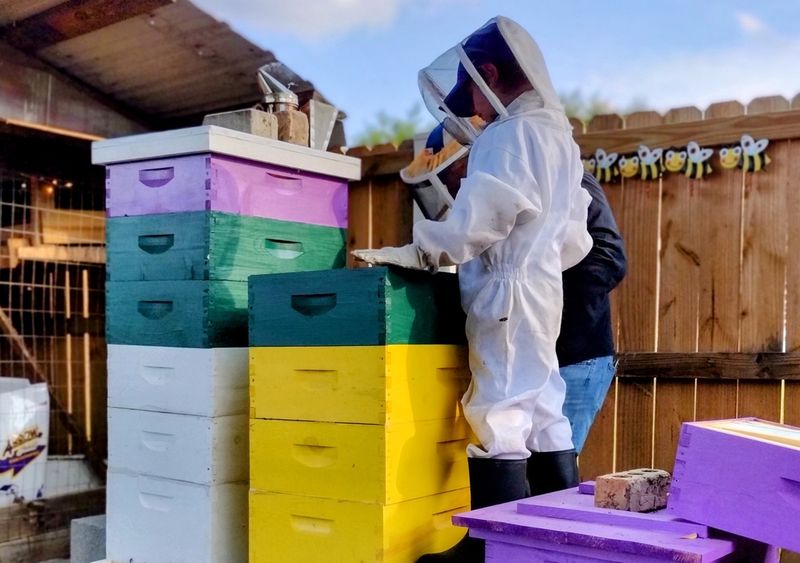
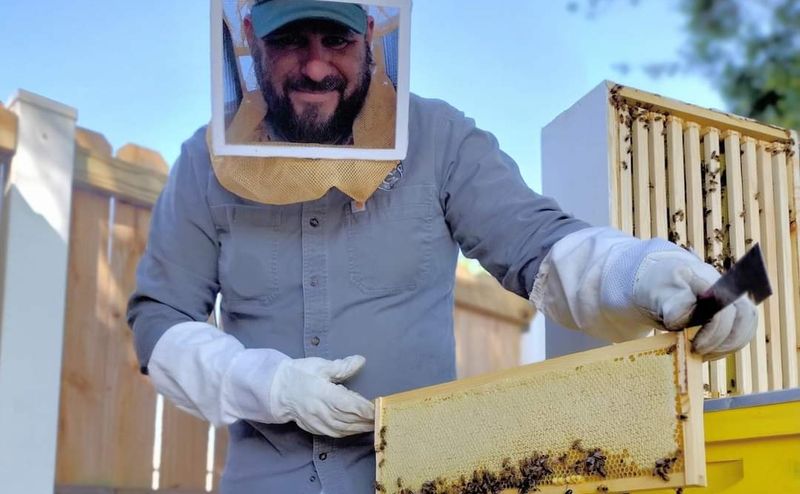
Now that we’ve touched on educational resources, let’s discuss the equipment you’ll need to begin. I cannot express the importance of a good bee suit; I would suggest buying the best beekeeping suit you can afford. It will help you feel confident and keep you safe.
When we first acquired our bees, our youngest child was six years old. He has been heavily involved in all aspects of beekeeping, so keep that in mind if you have children and invest in a nice suit for them. You won’t regret it.
Another invaluable tool that I believe you should splurge on is a bee smoker. You’ll get one in any beginner beekeeping kit, but a great quality smoker will make your hive work much easier.
Beekeeping, similar to any venture, will require an initial investment. When we first started out, it felt as if we continued throwing money at supplies with no end in sight. Realistically, though, after our second year, we haven’t had to purchase any additional equipment, and our investment has returned itself through our honey sales.
Similar to most people, we started out with a beginner kit that we purchased through Dadant.com. The 10-Frame Deep Kit comes with just about everything you need to get started, although I again recommend investing in a separate bee suit.
Your next big investment will be your ‘Supers.’ You’ll need these as your hives grow and expand. We use Langstroth style hives, but you may prefer a top bar or a flow hive. There really is an option for every future beekeeper. You can learn more about other equipment through your research to see what fits for your operation.
Bees
We’ve covered the research and equipment, so let’s talk about the bees! You’ll need to acquire your bees “somehow.” Ideally, you want to try to obtain your bees as locally as possible. This is where it’ll be valuable to connect with your local or semi-local beekeepers. Our first bees were acquired from a beekeeper who lives roughly an hour away from us.
If you do take this route, do some research on traveling with bees. You’ll want to make that process as safe as possible. There are also mail-order options if you can’t find anyone within driving distance. If you go online to purchase, make sure to go through trusted sellers; Mann Lake and Dadant & Sons have been around for a long time.
Safety
To wrap up your beginner bee education, I think it’s important to talk about safety. Bees are amazing little creatures with a plethora of benefits, but they’re also little powerhouses that can pack a punch to even the most experienced beekeepers. A new beekeeper, on average, will be stung approximately 50 times in their first year. Obviously, these aren't hard and fast numbers, as some will be stung much less, but I think it’s important to know that it can and will happen at some point.
My husband and youngest son have always been the main ones to tend to the hives, while I largely play the supporting roles. Guess which one of us has developed a severe bee sting allergy? It isn’t them! This is one of the main reasons I highly recommend investing in the best beekeeping suit that you can afford. This isn’t intended to scare you, but rather to educate you on the risks.
Keeping your hives away from the busiest areas of your property will prevent many future issues. You wouldn’t want your children or pets running up on your hives and potentially disturbing them. We also prefer to keep our hives in an area that doesn't require any extra grass maintenance; bees will sometimes decide that your lawnmower is a threat to their safety.
Getting Started Right
I feel as if I’ve only just skimmed the surface of things you should learn about before getting into beekeeping. I could go on with the pollination benefits, the health benefits of honey, the pride that comes from successfully overwintering your bees or even how smart these insects are.
Did you know that bees will actually “recognize” keepers?
Dive into all the information that you can, whether in books or online resources, before getting started, and you will absolutely feel confident once you acquire your first hive!
Tags:Homestead How-To











Acreage Life is part of the Catalyst Communications Network publication family.