



Protecting Your Flock from Unexpected Threats
Beyond Foxes and Hawks

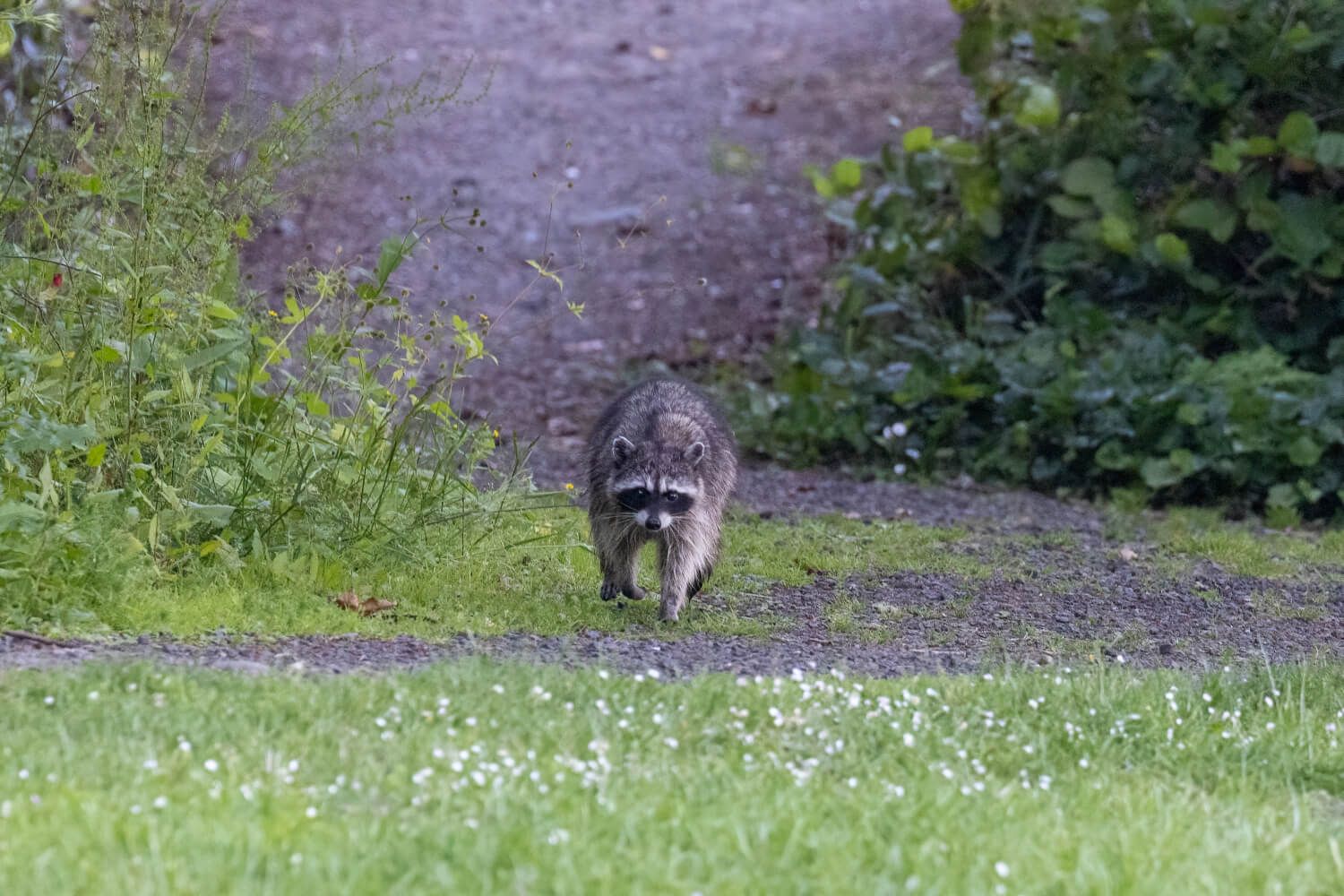
When you think about dangers to your backyard flock, predators such as foxes and hawks come to mind first. But many chicken keepers are surprised to learn that some of the biggest threats are the ones they least expect.
A single raccoon can dismantle a coop’s defenses in minutes, and a silent owl can strike from above without warning. Protecting your chickens requires looking beyond the usual suspects and securing your setup against these cunning, often-overlooked predators.
There are simple yet effective strategies to protect your flock from hidden threats such as raccoons, possums and owls.
Understanding Hidden Predators
The first step in adequate protection is knowing your enemy. Different predators have distinct behaviors and attack methods. By understanding how they hunt, you can build a defense that works.
As Dr. Sabrina Kong, DVM, explains, "Many backyard chicken owners focus on the obvious daytime threats, but the most persistent dangers are often the clever nocturnal ones. A raccoon can manipulate simple latches, and an owl can silently swoop down from above. Your first line of defense is a fortress-like coop. Use ½ inch hardware cloth instead of chicken wire, which raccoons can tear through, and install raccoon-proof locks (such as a sturdy carabiner or a sliding bolt) on every door. Don’t forget to secure the top of the run; a simple net can deter an owl looking for an easy meal.”
“Also, it's super important to remove the ‘invitation,’ since opossums and other predators are drawn to easy food sources,” adds Kong.
Raccoons
These intelligent mammals are notorious for their problem-solving skills and surprisingly nimble paws. They are primarily nocturnal and can be incredibly persistent when they find a potential food source. Their ability to open simple hooks, latches and even turn knobs makes many standard coop locks ineffective. Raccoons are incredibly clever and can open simple latches with ease.
Washington State Department of Agriculture (WSDA) spokesperson and poultry expert, Kim Vaughn tells AcreageLife that in Washington, raccoons, hawks, loose dogs and other predators can pose a risk to backyard chickens. To keep them safe, you need strong coops, covered runs and careful attention.
“Runs need to be protected from above with bird netting or wire mesh to deter raccoons, hawks and other climbing or flying animals. Because predators are most active at dusk and overnight, birds should be secured in the coop before nightfall. Regular inspections of coops and runs help identify and repair gaps, loose boards or burrowed openings. Limiting wildlife access not only helps prevent predation but also reduces the risk of disease transmission to backyard flocks," says Vaughn.
Possums
Possums are often seen as slow, dopey scavengers, but they pose a real threat to a chicken flock. While they don't typically hunt chickens for sport, they are opportunistic and will attack birds if given the chance, especially chicks. More concerning is their potential to carry and transmit diseases, so keeping food secure is key. It's crucial to remove easy food sources that attract possums and other predators. Securely store all feed in metal containers and bring in the chickens' feed and water at dusk to help safeguard your flock.
Owls
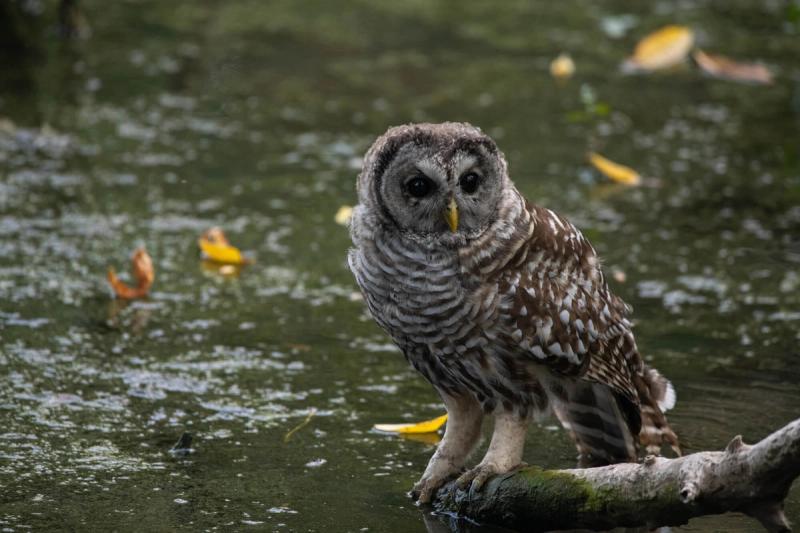
Owls, particularly Great Horned Owls, are powerful and silent aerial predators. They hunt at night, using their exceptional vision and stealth to surprise their prey. Chickens that are not securely locked in a coop after dark are easy targets. Owls often go unnoticed until it’s too late, making overhead netting a simple yet effective solution to protect your flock. Remember to secure the top of the run. A simple net can deter an owl looking for an easy meal.
Your coop should be a fortress for your flock, especially during the night when most hidden predators are active. A few key upgrades can make all the difference in keeping unwanted visitors out.
What about snakes, weasels, skunks and rodents?
In addition to raccoons, possums and owls, several other stealthy predators can threaten your backyard flock, often going unnoticed until damage is done.
Snakes are notorious egg thieves, and some larger species will eat baby chicks if given the opportunity. They can squeeze through remarkably small gaps in your coop or run. To prevent snake invasions, seal all holes larger than ¼ inch, keep grass trimmed short around the coop and remove debris where snakes may hide.
Weasels and their relatives (including mink) are small, agile carnivores known for their persistence and ability to slip through tiny openings. Once inside, weasels can kill multiple chickens in a single night. The best defense is to use hardware cloth instead of chicken wire for all openings and to inspect the coop for gaps or burrows regularly.
Skunks are generally after eggs, but if provoked or if food is scarce, they may attack chicks or even adult chickens. Skunks tend to dig, so installing a hardware cloth apron around the perimeter of your run and burying it at least 12 inches deep helps keep them out. Removing food scraps and collecting eggs daily will make your coop less attractive to these night visitors.
Rodents such as rats and mice not only steal food but also attract larger predators and can spread disease. They’re skilled at gnawing through weak spots in wood and wire. To deter rodents, store feed in sealed metal containers, promptly clean up any spills and keep the coop and run free of clutter where rodents might nest. Regularly check for signs of droppings or burrowing and act quickly to eliminate infestations.
Securing your setup against these smaller, determined predators is just as essential as defending against the larger ones. Vigilance, regular maintenance and removing attractants will go a long way in keeping your chickens safe.
Reinforce Latches and Doors
Simple hook-and-eye latches are no match for a determined raccoon. Upgrade your coop's locking mechanisms to a more complex system. Use two-step locks, carabiners or even padlocks on all doors and nesting box access points. This creates a barrier that requires more than simple dexterity to overcome.
Install hardware cloth
Many chicken keepers use chicken wire for their coops and runs, but it's designed to keep chickens in, not predators out. Raccoons can easily tear through it or reach their paws through the wide openings. Replace all chicken wire on windows, vents and other openings with ½ inch hardware cloth, securing it with heavy-duty staples or screws.
Elevate the coop
Raising your coop off the ground on sturdy legs prevents predators from trying to dig or chew their way in from underneath. It also eliminates damp ground contact, which can lead to wood rot and create weak points for predators to exploit. An elevated coop makes it much harder for animals such as possums and skunks to gain access.
Run and Yard Safety
Protecting your chickens extends beyond the coop itself. Your run and the surrounding yard are the first line of defense. Taking steps to make this area less inviting to predators can deter them before they ever get close to the coop.
Use Motion-Activated Deterrents
Nocturnal predators prefer to operate under the cover of darkness. You can disrupt their comfort by installing motion-activated lights or sprinklers around the coop and run. The sudden burst of light or water can be enough to startle a raccoon or possum, sending them running in the other direction.
Regularly Inspect Fencing
Walk the perimeter of your chicken run and yard fencing at least once a week. Look for any signs of digging, loose sections or gaps that a predator could squeeze through. Reinforce any weak spots immediately to maintain a secure boundary.
Your daily habits play a huge role in flock safety. Simple, consistent routines can significantly reduce the risk of a predator attack. Chickens are most vulnerable during dawn and dusk when many predators are most active. Make it a non-negotiable rule to have your flock securely locked inside the coop before nightfall. Training your chickens to return to the coop on their own can be achieved with a consistent routine and a few treats.
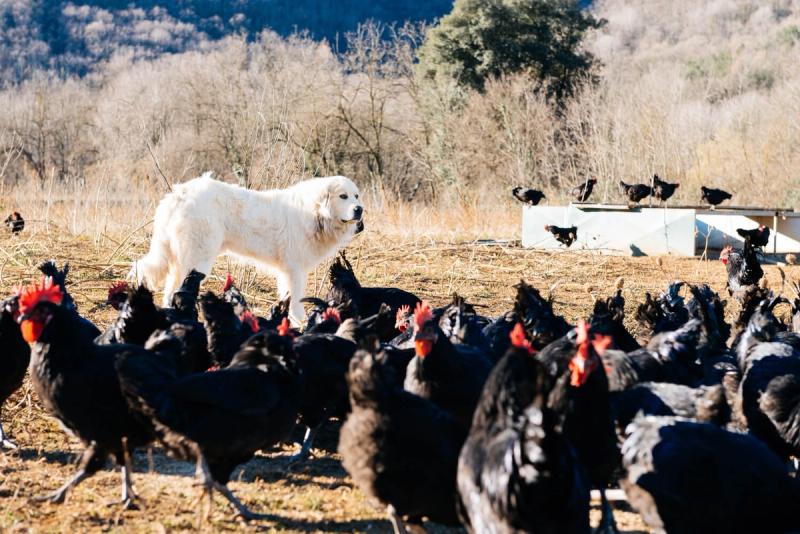
Consider Livestock Guardian Animals
For those with larger properties, a livestock guardian animal can be an excellent investment. Certain breeds of dogs, such as Great Pyrenees or Anatolian Shepherds, have been bred for centuries to protect livestock. Donkeys, llamas and geese can also be effective guardians, as their loud noises and aggressive nature can deter many would-be attackers.
Protecting your chickens from hidden predators is an ongoing commitment, but it doesn't have to be overwhelming. Proactive measures are always more effective than reactive ones, so take the time to evaluate and upgrade your setup today.
Tags:Homestead How-To















Acreage Life is part of the Catalyst Communications Network publication family.