



The First 90 Days After Buying Acreage
A New Owner's Roadmap to Smarter Property Management

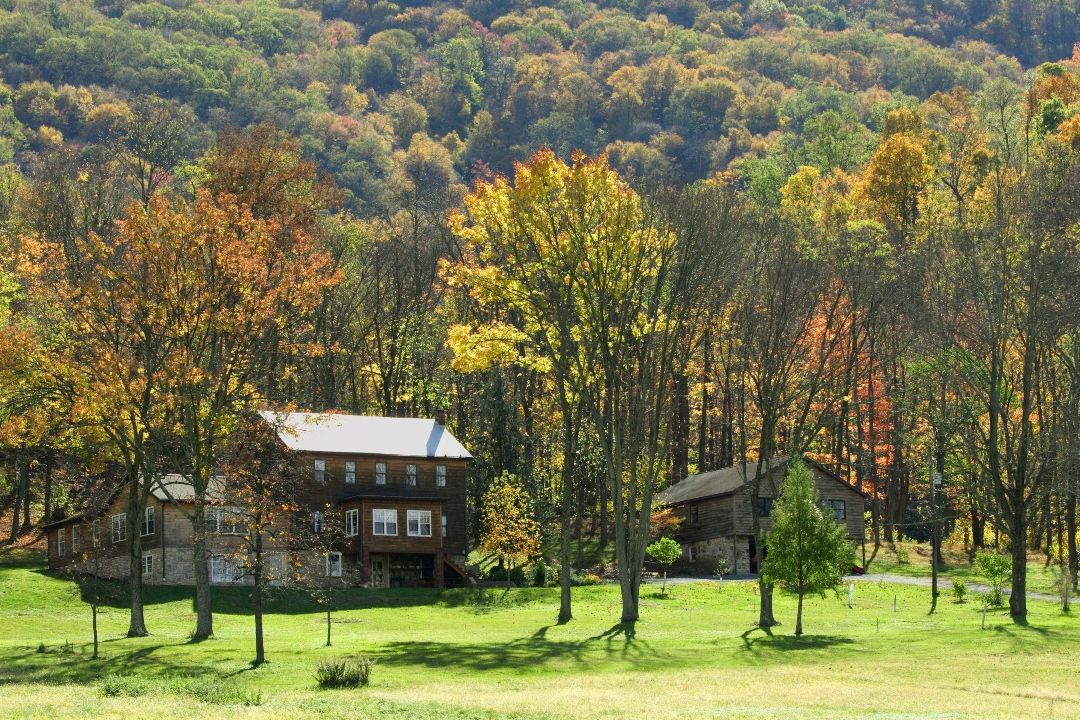
The keys are yours. There is a gate to fix, a patch of ground that looks perfect for a garden, and a barn that could use some attention. By the first weekend, the list of projects is already longer than the list of tools.
It is tempting to start with whatever looks most satisfying. But the first three months are also your chance to learn how the property works before making expensive decisions. A fence in the wrong place or a garden in a soggy hollow can take much longer to undo than to install.
Start with a notebook, the closing documents, and a few walks around the property. There will be plenty of time for the tractor.
Days 1 to 30: Get Acquainted With What You Own
Put the deed, title documents, available survey, easement records, well information, septic records, and any maintenance receipts in one place. Save a digital copy, too. Note the questions those documents leave unanswered.
A fence may show where someone has kept livestock, but it does not establish the legal boundary. Online parcel lines are useful for orientation, not for deciding where to build. If a boundary is uncertain, have a licensed surveyor address it before you replace fencing or place a permanent structure. Do not move survey markers yourself.
Review access with the same care. A driveway you can see and a legal right to use it are different questions. If you rely on a shared road, review the recorded agreement and find out who handles grading, snow removal, and repairs. Ask your title professional or attorney about anything unclear.
Walk the property in manageable sections, staying within areas you know you own or have permission to enter. Photograph gates, culverts, damaged fences, erosion, and existing buildings. Date the pictures. They will help you compare conditions later and explain a problem to a contractor without relying on memory.
Make a simple working sketch showing the driveway, buildings, water sources, utility equipment, and places that need attention. Keep it separate from the legal survey; this is your maintenance map.
Finally, sort the urgent jobs from the attractive ones. An unstable tree on the driveway, exposed wiring, or an unsecured well opening deserves professional attention before a fresh coat of paint on the barn.
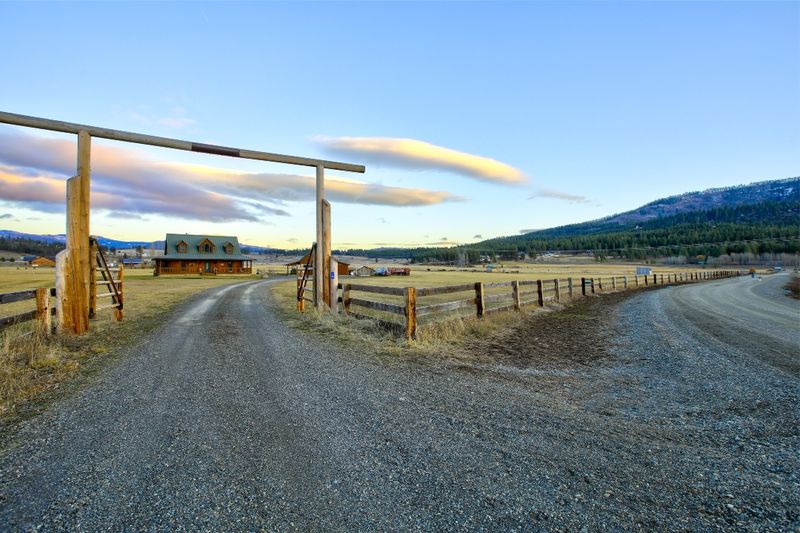
Days 31 to 60: Watch Water & Check the Basics
Try to see the land after a substantial rain. From a safe spot, watch where water enters, where it collects, and how it leaves. Look for sediment across the driveway, standing water near buildings, and overflow around culverts. Photograph the same locations you recorded during your first walk.
One dry afternoon cannot tell you how a property drains. Neither can one storm reveal a full year of conditions. Ask neighbors about seasonal flooding, muddy stretches, and roads that become difficult in winter. Their observations can help you decide what to investigate.
Avoid digging a ditch or redirecting runoff simply because a low spot is inconvenient. Changes can affect neighboring land, wetlands, or streams. Check with the appropriate local office and get qualified advice before starting work.
If the property has a private well, gather its records and arrange water testing through a suitable laboratory. Clear water is not proof that it is safe to drink. EPA recommends annual testing for total coliform bacteria, nitrates, total dissolved solids, and pH; your local health department can advise on additional tests for your area.
Locate the septic system and its drainfield, review service records, and consult a qualified provider about its condition and maintenance schedule. Keep vehicles, stored materials, and planned construction away from the drainfield. Mark its location on your working sketch so a delivery driver does not park there by mistake.
Before planting a garden or improving pasture, ask your county extension office about soil sampling. Different areas may need separate samples. USDA’s Web Soil Survey can help you understand mapped soil characteristics, but it cannot replace a garden soil test or an evaluation of a specific building site.
Days 61 to 90: Choose a Few Jobs You Can Finish
By now, your project list should have more detail. “Fix driveway” might mean clearing an inlet, getting a culvert assessed, and repairing one washout. That is a useful improvement rather than ordering a truckload of gravel and hoping it solves everything.
Choose a few priorities for the coming year. Put safe access, reliable water, and preventing further damage ahead of cosmetic work. For each project, write down the problem, the next step, and who needs to be involved. Check permits and utility locations before digging or building.
Get estimates that describe the actual work. For a fence, that includes its location, purpose, materials, gates, and terrain. For driveway work, ask what will be done about drainage as well as the surface. A vague estimate is hard to compare and easy to misunderstand.
Consider renting equipment or hiring a contractor for a specific job before buying machinery. A first-time owner may need brush cleared once, while a tractor brings ongoing maintenance and storage needs. Let the work tell you what equipment belongs on the property.
Leave some room in your schedule and budget for what you have not discovered yet. Acreage has a way of introducing a leaking fitting or fallen limb just when you thought the weekend was settled.
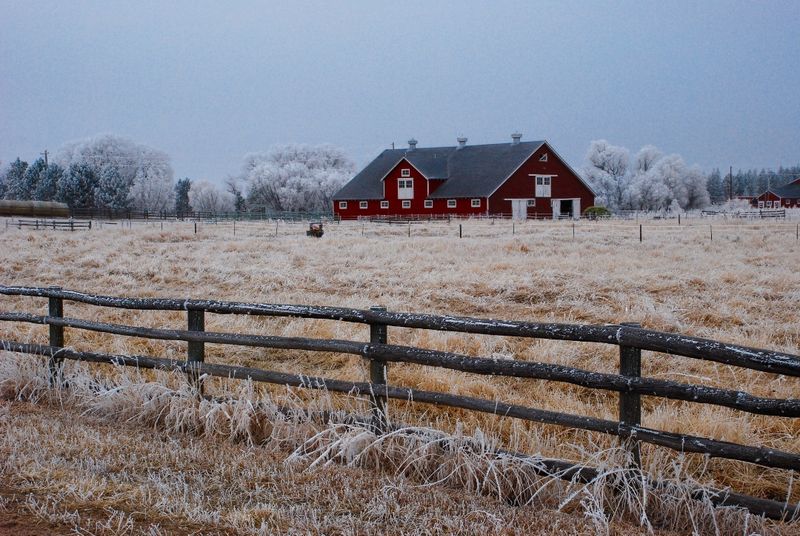
Keep Learning Through the Seasons
At the end of 90 days, you do not need a finished homestead. You need a better understanding of the place: where the water goes, which repairs matter, and whom to call when a question exceeds your experience.
Keep the notebook going through the first year. Record wet ground in spring, water use during dry spells, and how the driveway holds up. Those ordinary observations will make next year’s decisions much easier.
Resources for readers
EPA How to Care for Your Septic System
About the Author
Randy Levine is with StrategicLandPurchases.com. This contribution focuses on practical planning for new acreage owners.
Tags:Country Living














Acreage Life is part of the Catalyst Communications Network publication family.