



Make Bitter Winter Weather Bearable
Portable Heaters and Gear Make Winter Work Pleasant

Mending fences, maintaining equipment and caring for animals have changed very little since my grandfather's day. And his grandfather's day before him. While some jobs have become easier, the weather conditions that we have to work under have not changed. Even "global warming" has not alleviated the bitter cold that permeates life through the winter seasons. But with the high-tech products now available, we no longer have to put up with frozen fingertips, teeth-chattering working conditions and potential frostbite. Let's discuss a few of the widely available products that can make frigid winters bearable, and in some cases, even pleasant.
Battery-operated clothing
Let's start with the most innovative product, clothing that warms. We're not talking about regular jackets that simply help you retain body heat. We are talking about battery-operated work clothes that actually create heat. For example, Ororo’s dual-source, dual-control heated jacket with hood contains six heat zones covering the entire upper torso, powered by rechargable lithium-ion batteries. This jacket enables an 11-hour workday in comfort, but it comes with a $369 price tag. After a few days of use, the cost may be a worthwhile investment.
This and several other companies also produce zone-heated work pants, vests, gloves, socks and even shirts. There are also low-tech accessories that can be found in places such as sporting goods stores, Tractor Supply and online. These include chemical hand warmers, thermal boot insoles, glove warmers and adhesive body warmers. With all these innovations, there will no longer be days when it is “too cold to work.”
Heating outdoor workspaces
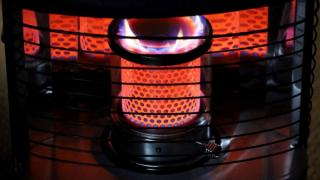
Temporarily heating open work areas and enclosed outbuildings, such as sheds, garages and barns, is best done with portable propane- or diesel/kerosene-fueled heaters. There are pros and cons for both. Propane heaters are usually small and lightweight, easy to use and burn cleanly. But they do tend to produce a small amount of condensation when used in enclosed spaces. Also, while these heaters are cheaper to buy, propane is more expensive than kerosene, making these heaters a more costly option per British thermal unit (BTU) in the long run.
Diesel/kerosene heaters can produce more heat than propane, making them a more effective choice for heating larger, poorly insulated structures. They are very fuel-efficient and reliable. But even modern kerosene heaters produce significant amounts of fumes and must be well ventilated. They also require more maintenance than propane units to keep their burner and air passages clean. The proper choice would depend on the type of job, the size of the area being heated and how long they would need to be used for that job.
As an example of BTU output versus runtime for propane heaters, consider the “Buddy” series from Mr. Heater. Available in three models, these units make the heating job for various kinds of applications very customizable. The Little Buddy, ideal for small spaces, will run for about 5½ hours and comfortably heat approximately 100 square feet, about a 10 by 10 room. The Portable Buddy will heat 225 square feet and last for three to six hours, depending on the setting, from high to low. For larger work areas, the Big Buddy would be a good choice. It heats up to 450 square feet and runs 1.8 to 3.2 hours. It can also connect to two one-pound cylinders for a longer runtime.
Safety tips
Regardless of the type, brand or output of any portable heater, it is mandatory to follow some general guidelines, understand the requirements for your specific heater and take precautions against fire and carbon monoxide poisoning.
- Keep a three-foot distance from any combustible materials, especially chemicals.
- Place the heater on a stable, flat and level surface that is also non-combustible.
- Never leave the heater unattended. If you have to leave the room, turn it off.
- Use the right heater for the space to avoid wasting fuel or overworking the heater.
- In any space where a heater is used, install and test smoke alarms and CO detectors.
- Refuel outdoors and allow the heater to cool down before refueling.
- Always have a fire extinguisher nearby and know how to use it.
The work has not changed since my grandfather’s day, but the comfort level has improved greatly, thanks to new, more effective products designed to take the bitterness out of bitterly cold winter weather. This has also subtly changed the family dynamic — positively and more amusingly. While Grandma would always carefully remind Granddad of his bedtime chores, one thing you wouldn’t have heard her say—but might hear today—is, “Don’t forget to plug in your jacket.”
Tags:Country Living
















Acreage Life is part of the Catalyst Communications Network publication family.