



Winter Wildlife Watch
Tracking Animals on Your Acreage

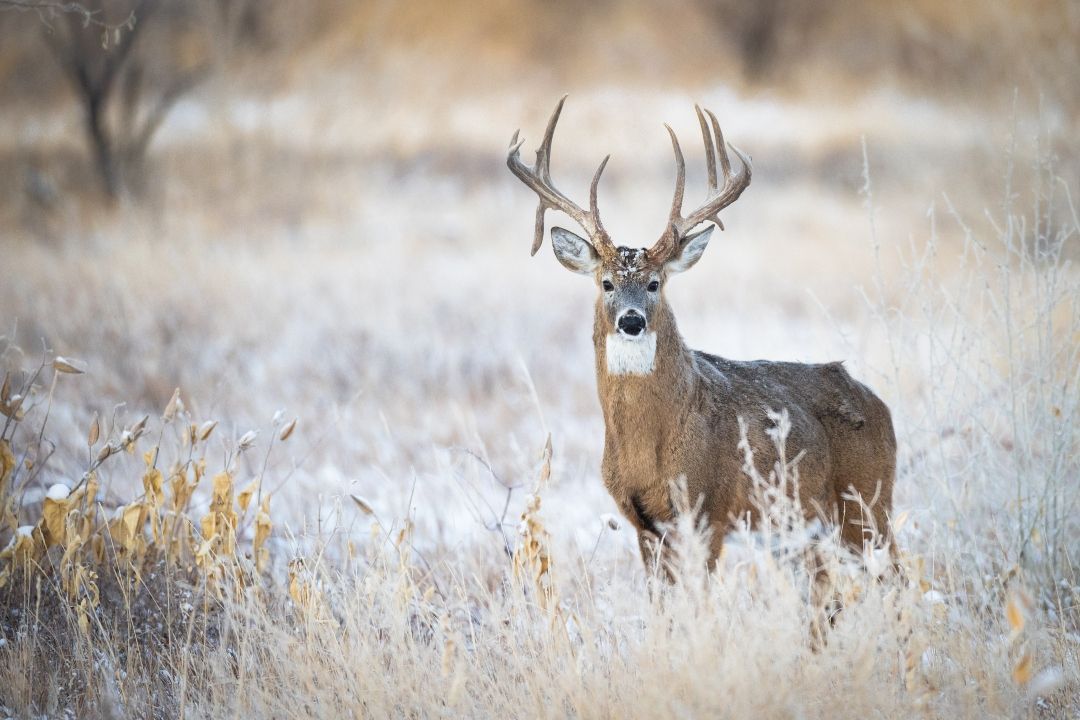
Winter is often much quieter on the farm. The wildlife, however, is always busy. Animals that once had an abundance of food sources are now searching for sustenance. They need nourishment and may use your farm to get it.
Because of this, wildlife tracking can be a vital tool for farmers and property owners. Let’s discuss tips on tracking wildlife and how you can make it into a fun and interesting hobby for the whole family.
Why Tracking Wildlife Movement Matters
Having acreage means cohabiting with Mother Nature in all of its forms, be it storms, drought, erosion or the creatures that live on the land with you. Just like the weather, daily tracking of wildlife can give you vital information, such as:
Your farm’s natural predators. The wildlife in your area is out for your spoils to survive. Monitoring movement on your farm helps you know exactly what species you’re up against, and you can take preventive measures to protect your resources.
Toxins and diseases on your land. Changes in local bird and mammal activity can alert you to potential toxins on your property, as well as exposure to diseases that can affect your livestock and crops.
Strategies to live in harmony with the environment. Knowing where local wildlife gathers can be an immense help when deciding on the placement of livestock and crops, and how best to protect your investment.
How to Get Started
Interested in giving wildlife tracking a try, but don’t know where to begin?
Walk your land and observe. Simply tour your perimeter. All you need is some trusty outdoor gear and your smartphone to take the first step.
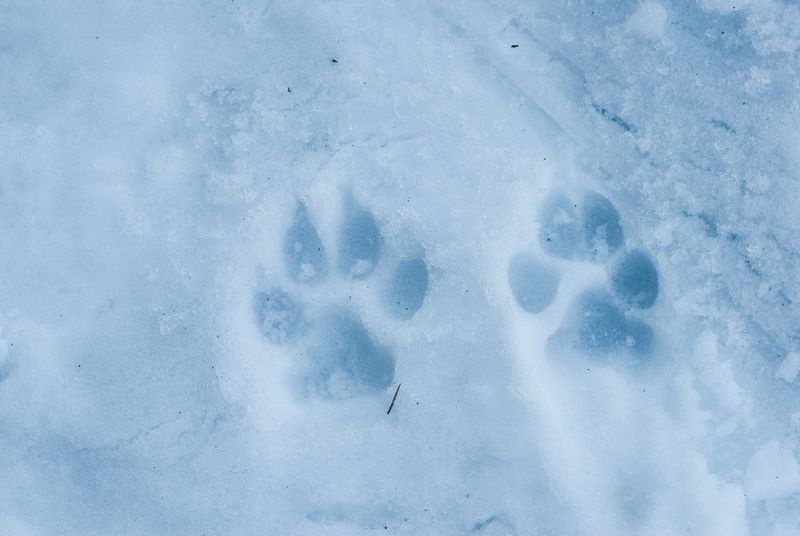
Take pictures of anything of interest, such as:
- Animal prints.
- Scat.
- Areas of disturbance in the snow.
- Missing bark on trees
- Pockets of stashed food.
Try to walk in areas with natural resources, such as by a body of water or dense thicket. Just remember not to get too close or disturb the areas. You never want to risk being bitten by a wild animal. When in doubt, adhere to the hiking principle of “leave no trace.”
When you get home, you can use the pictures to identify the wildlife sharing your space. From there, you can explore natural deterrents for any nuisances or provide them with food, water and shelter — such as shrubs, bushes or waterholes — away from your crops and livestock.
Utilize wildlife tracking apps. You can use apps such as iNaturalist for general information about wildlife. Apps such as iTrack Wildlife can help you identify local animals in your area. There are also a variety of apps for those interested in birding.
Chat with neighbors. If you’ve owned your property for some time, you know just how invaluable it is to know your neighbors. Not only can you support one another during extreme winter weather, but you can also trade information on what wildlife they’ve observed.
Invest in some gear. As you get more comfortable with your new hobby, you may want to invest in some tools, such as:
- Binoculars. A good pair of binoculars lets you observe wildlife up close without disturbing the animals or putting yourself at risk. For tracking, 8-by-42 binoculars are recommended because they provide a steady view and a wide field of vision.
- Trail cams. These handy recorders are built to withstand the elements. Place them in high-traffic areas to get some amazing shots.
- Drones. If you own a large property, consider investing in a drone. It can help you monitor wildlife efficiently while also keeping an eye on your livestock.
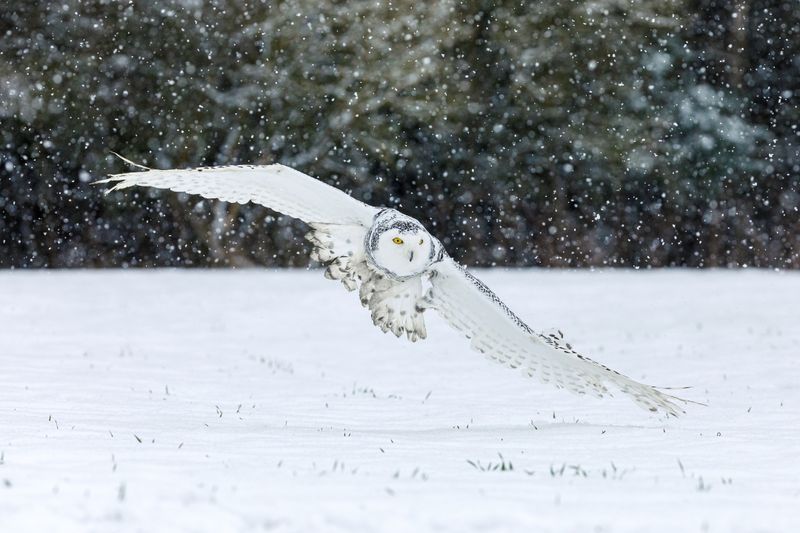
Tracking Your Local Wildlife: Fun for the Whole Family
For many acreage owners, the love of their land is a legacy they hope to share with their children. Exploring wildlife together as a family not only strengthens bonds but also helps kids discover and connect with the land that will one day be theirs.
Tracking helps kids learn patience and sharpens their powers of observation. In a world filled with screens and nonstop entertainment, there’s a special kind of magic in seeing them light up as they discover how thrilling and refreshing the natural world can be.
Tags:Country Critters











Acreage Life is part of the Catalyst Communications Network publication family.