



Three Snowplow Buying Mistakes
That Can Cost Acreage Owners Big

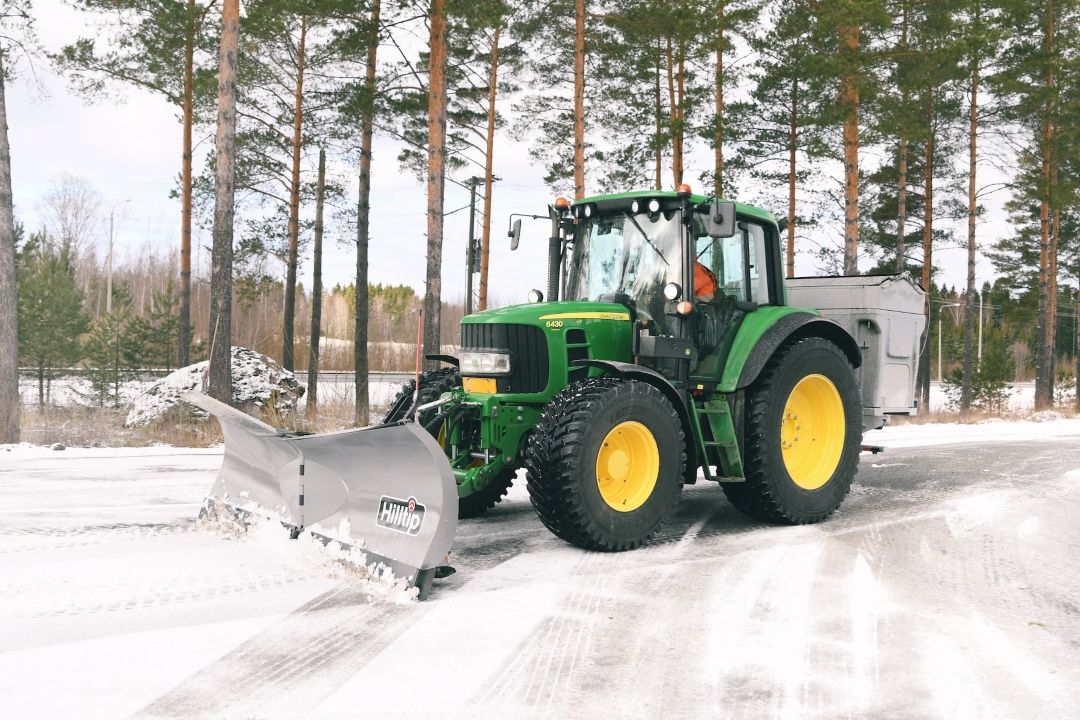
Every winter tells a different story. One year it's a few manageable snowfalls. The next, it's relentless storms, drifting snow and frozen driveways that seem impossible to keep clear. For acreage owners, a reliable snowplow isn't a luxury — it's an essential tool for keeping homes, livestock and equipment accessible all season long.
But buying a snowplow attachment isn't as simple as finding one that fits your truck, tractor or UTV. Too often, buyers assume that if the mounting hardware matches, they're good to go. Others rely entirely on a dealer's recommendation without understanding the specifications themselves. While equipment dealers know their machines well, snow removal is a specialized application, and the wrong recommendation can leave owners with poor performance, unnecessary repairs and even safety concerns.
Fortunately, avoiding the biggest mistakes isn't difficult. It simply comes down to asking the right questions before making a purchase.
Mistake No. 1: Ignoring Weight Ratings
The first consideration should never be blade width or price. It's whether your vehicle can safely carry the attachment.
Snowplows add considerable weight to the front of a machine, and that weight doesn't just sit there. Every time the blade catches packed snow, hits an icy ridge or pushes a heavy windrow, the forces on the vehicle increase dramatically.
Many buyers overlook the manufacturer's weight limits, including the gross vehicle weight rating (GVWR) on pickups and UTVs or the maximum operating weight specifications for compact tractors and skid steers. Those ratings exist for a reason. Exceeding them can overload the front axle, suspension, steering components and transmission, leading to premature wear or costly repairs. More importantly, it can unsafely compromise steering, braking and overall stability when operating in slippery winter conditions.
Compact tractors present another challenge. Because they typically have a narrower wheelbase than pickups, too much weight on the front can reduce stability, particularly on uneven ground. In extreme cases, excessive front-end weight can lighten or even lift the rear wheels, making the machine more susceptible to tipping, while reducing traction.
The solution is simple: know your machine's ratings before shopping. Those numbers are readily available in the operator's manual or on the manufacturer's information plate/decal, and they should be the starting point for any plow selection.
Mistake No. 2: Overlooking Hydraulic Compatibility
Hydraulics are often overlooked because they aren't immediately visible. Yet they're one of the most important (and expensive) parts of the snowplow system.
Modern hydraulic plows depend on the vehicle's hydraulic system or an integrated power unit to raise, lower and angle the blade. If the vehicle and attachment aren't properly matched, problems can appear almost immediately.
Too much hydraulic pressure can cause unpredictably erratic blade movement while potentially damaging seals, bending cylinder rods or warping mounting components. Alternatively, too little flow can make the blade sluggish and unresponsive, turning what should be a smooth operation into a frustrating one. Even something as simple as mismatched hydraulic couplers can create leaks or restrict oil flow, reducing performance.
Tractors deserve special attention because they use different hydraulic designs. Some operate with open-center hydraulic systems, while others use closed-center systems. Pairing the wrong attachment with the wrong hydraulic configuration can cause overheating and, in severe cases, damage the hydraulic pump itself.
Fortunately, these issues are easy to prevent.
Before purchasing a plow, verify the hydraulic flow rate, operating pressure and coupler compatibility. If you're unsure, ask the dealer to confirm that the attachment has been matched to your specific machine — not simply to the make and model. If the dealer is unsure, push them to check with the equipment manufacturer. Most attachment manufacturers well understand that dealers only work with this equipment seasonally and may not be completely up to speed with the latest specs and recommendations. Therefore, they usually publish the most up-to-date information and make their support teams available to clarify any confusion.
It's also worth asking about built-in protection features. Many premium plows include pressure relief systems that absorb shock when the blade strikes an immovable object hidden beneath the snow. These systems help protect both the attachment and the carrying vehicle from sudden impact loads, reducing wear over time.
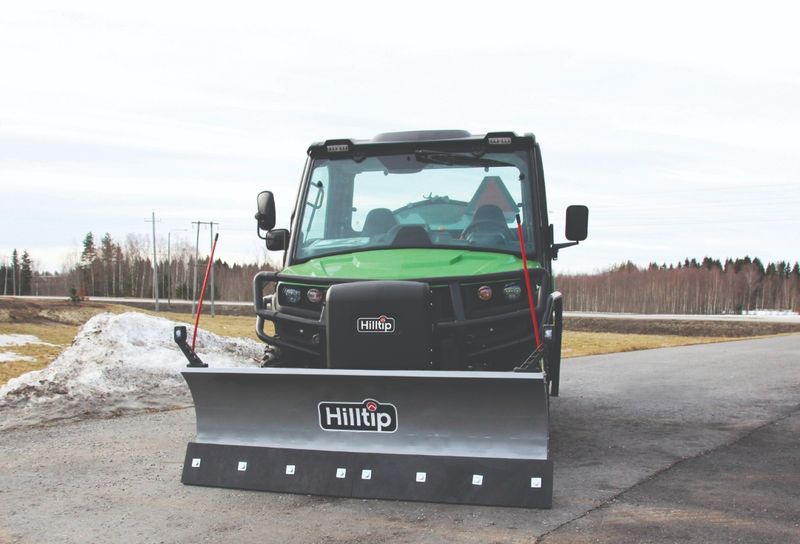
Mistake No. 3: Choosing the Wrong Blade for the Job
Not all snowplows are designed for the same work. One of the biggest mistakes acreage owners make is selecting a blade based solely on price without considering the property they'll actually be clearing.
For long, straight driveways, a traditional straight blade is often the most economical choice. It does an excellent job of pushing snow to one side and is relatively simple to operate and maintain.
Properties that regularly experience drifting snow or deeper accumulations may benefit from a V-plow. The adjustable wings allow operators to break through drifts more effectively, carry snow in scoop mode and windrow material more efficiently. That versatility comes with additional complexity and cost, so it's important to decide whether those features will actually be used.
Large open areas, such as farmyards, sometimes benefit from box-style plows, which move greater volumes of snow with each pass. However, these heavier attachments generally require larger machines and are less effective on uneven terrain where the cutting edge must follow changes in the ground surface.
Terrain matters just as much as blade style. Many acreage owners maintain gravel lanes, dirt roads or uneven farmyards. A rigid blade may scrape effectively on smooth pavement but can dig into gravel or scalp uneven surfaces. Plows that allow the blade to oscillate independently of the vehicle do a better job following ground contours, improving snow removal while reducing damage to both the driveway and the equipment.
The cutting edge deserves equal consideration. Steel edges provide excellent scraping performance on paved surfaces and packed ice but can damage asphalt, decorative concrete or gravel if not used carefully. Polyurethane or rubber cutting edges are more forgiving, making them an excellent choice for gravel driveways and uneven rural properties because they glide over imperfections instead of catching and throwing loose material. Many operators also adjust the plow shoes slightly higher on gravel surfaces to leave a thin layer of packed snow, protecting the driveway from unnecessary damage during early winter storms.
Think Beyond the First Storm
Ease of ownership is another factor that's easy to overlook.
If mounting and removing the plow is a complicated process, many owners simply leave it attached all winter, even when they don't need it. That adds unnecessary weight to the vehicle and reduces fuel economy for everyday driving. Systems that allow quick attachment and removal make it easier to switch between seasonal tasks and encourage operators to remove the plow when it's no longer needed.
Finally, don't overlook durability and ease of maintenance when comparing plows. Look for features such as corrosion-resistant finishes, protected hydraulic components and replaceable wear parts such as cutting edges and skid shoes, which can extend the life of the attachment and simplify repairs. A plow that's built to withstand years of hard use, and is easy to service when wear does occur, can deliver better long-term value than one with a lower purchase price.
Buy for Your Property — Not Just Your Vehicle
The best snowplow isn't necessarily the biggest, heaviest or most feature-rich model on the market. It's the one that's properly matched to your equipment, compatible with its hydraulic system and suited to the way you'll actually use it.
Before making a purchase, take an honest look at your property. How long is the driveway? Is it paved or gravel? Do you routinely deal with drifting snow? Will you be clearing tight spaces around buildings or long stretches of open area? And where will you be putting the snow? The answers to those questions are far more important than choosing the widest blade on the dealer's lot.
A little homework before the first snowfall can prevent costly mistakes, extend the life of both the attachment and the vehicle and make winter maintenance safer and more efficient for years to come.









Acreage Life is part of the Catalyst Communications Network publication family.