



The Science of Soil
Getting Your Garden Ground Ready

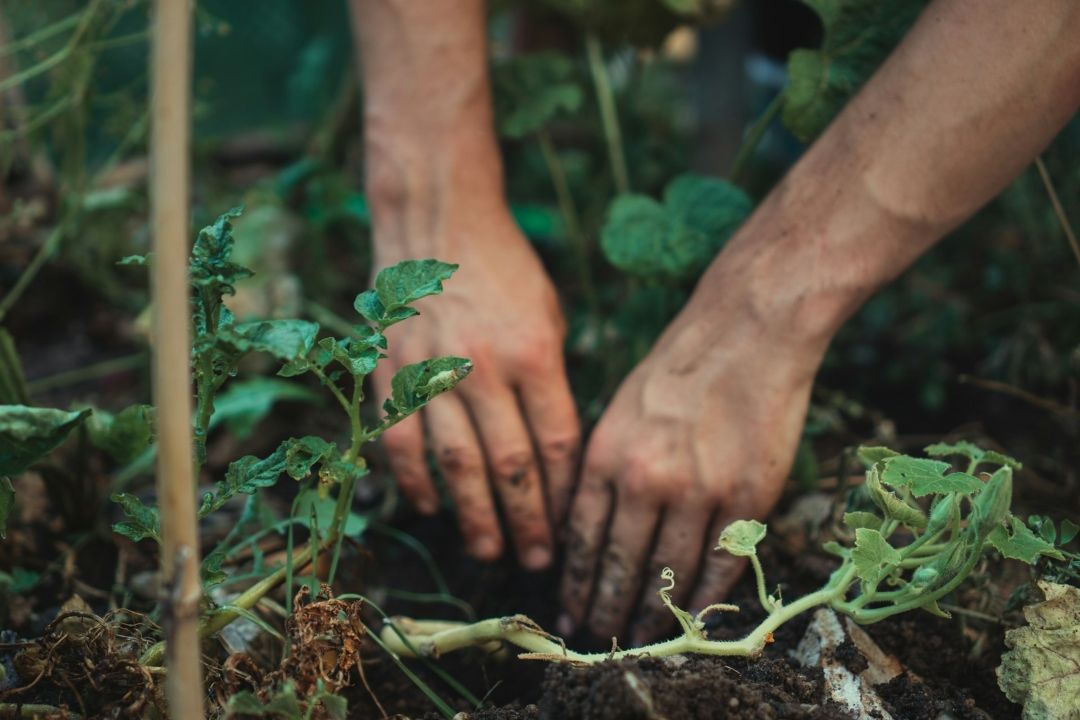
Most of us pay attention to what we eat — how it was sourced, who grew it and whether it is organic. However, even with all this care, we sometimes forget to think about the very ground our food grows in. I didn’t always consider it either, at least not until I started digging in my own garden.
The Different Types of Soil
Soil is classified based on how well the particles adhere to one another. Understanding the different classifications can help you grow healthier plants.
Clay Soil
If you’ve ever dug into clay soil, you know those packed-together particles almost feel similar to cement. Water doesn’t easily soak in, and sometimes I’ve run into trouble getting plant roots to push through. However, it retains nutrients and moisture effectively while still allowing adequate air flow and drainage.
It’s best to grow plants in clay soil during the hotter months or if you have a well-draining system in place. Amending with several inches of compost, well-rotted manure or leaf mold is the ideal way to boost its properties.
Sandy Soil
Sandy soil warms up and drains quickly in the spring and cools fast in the fall. It can be light to golden brown and have a grainy texture, resembling desert sand. You may also find rock particles and organic matter.
Compared to other soil types, it’s less effective in holding water and nutrients, leaving plants thirsty and unfed.
To prepare it for spring, add generous amounts of compost, aged manure and peat moss to hold onto moisture and nutrients.
Silty Soil
Gardeners with silty soil have the best of both worlds — it’s fertile, well-draining and retains moisture well. It looks light brown, and if you dig in, you’ll spot rock particles and organic materials. However, like anything in the garden, it has its quirks. It can wash away quickly in heavy rain or on windy days.
One trick that has worked for me is planting different plants close together, allowing their roots to hold the soil in place. Installing a drainage system can also help with extra moisture. You can bind silt particles by adding organic matter.
Loamy Soil
Loam is what most gardeners dream of. It’s that beautiful blend of clay, sand and silt — not too heavy, not too light. Sometimes, there’s a bit more clay or sand, so you might hear it called clay loam or sandy loam. This type of soil is low-maintenance, only requiring a bit of care now and then to stay in great shape.
Adding a fresh layer of compost before spring will replenish nutrients and maintain its healthy ecosystem. Be careful not to over-till, though — I’ve learned the hard way that too much digging can mess with the soil’s natural balance.
Getting Your Soil Ready for Spring Gardening
It’s easy to spend the last days of winter indoors. However, for those who love getting their hands a little dirty, now’s the perfect time for preparing your garden for sunnier days. Here are some practical ways to get your soil ready for spring.
Test Your Soil’s pH Level
You can’t improve your soil until you know what you’re working with. Knowing whether it’s more acidic or alkaline can make a difference, since plants thrive in different types. The pH number is a straightforward way to determine this, and it’s easier to check than it sounds. Collect some dirt, use a soil test kit from a garden supply store and use this guide to find out the pH level.
Acidic: Between 5.5 and 6.5
Neutral: 7.0
Alkaline: Above 7.5
Make sure to regularly test your soil and monitor for signs of poor-quality soil. Trees, shrubs and flowers planted in poor-quality soil may extend their roots in search of nutrients, which can disrupt other plants or any hardscaping you have in your garden.
Clear Your Garden
Give your garden a “clean slate” for the new season. Remove last year’s plant debris and rocks from the garden beds. On a milder day when the ground has thawed a bit, pull any emerging weeds. Getting them out as soon as you can is easier than eliminating them once they’re competing with your seedlings for water and nutrients.
Select the Right Plants
Successful gardening starts with picking the right plants for your soil. Here are the best plants to try out based on soil types:
- Clay: Roses, lilac, potatoes and most vegetables
- Sandy: Carrots, beets, onions and succulents
- Silty: Trees and shrubs
- Loamy: Most garden plants and vegetables
Add Organic Matter
Compost helps retain moisture and nutrients in the soil, allowing your plants to thrive. You can use food scraps and yard waste, as they contain all-natural materials and ingredients that are beneficial for plants.
Apply Mulch
Mulch acts as a protective blanket for the soil. A good layer of mulch retains moisture, meaning you’ll need to water less often. It also keeps the soil cooler during hot days and warmer on cool nights, reducing stress on plant roots.
Monitor Watering
Watering isn’t just for the plants, but your soil, too. How and when you water can affect root health and the living organisms in the soil. I prefer to water thoroughly and less frequently, rather than with a light sprinkle daily, so plant roots have enough moisture to grow deeper into the soil.
Get Your Ground Ready
As you prepare your soil for spring, remember that you’re engaging with a precious resource. Give it the tender loving care it deserves to set your garden up for success later. Go ahead and get your hands dirty.
Tags:Garden & Landscape










Acreage Life is part of the Catalyst Communications Network publication family.